

 Skip to content

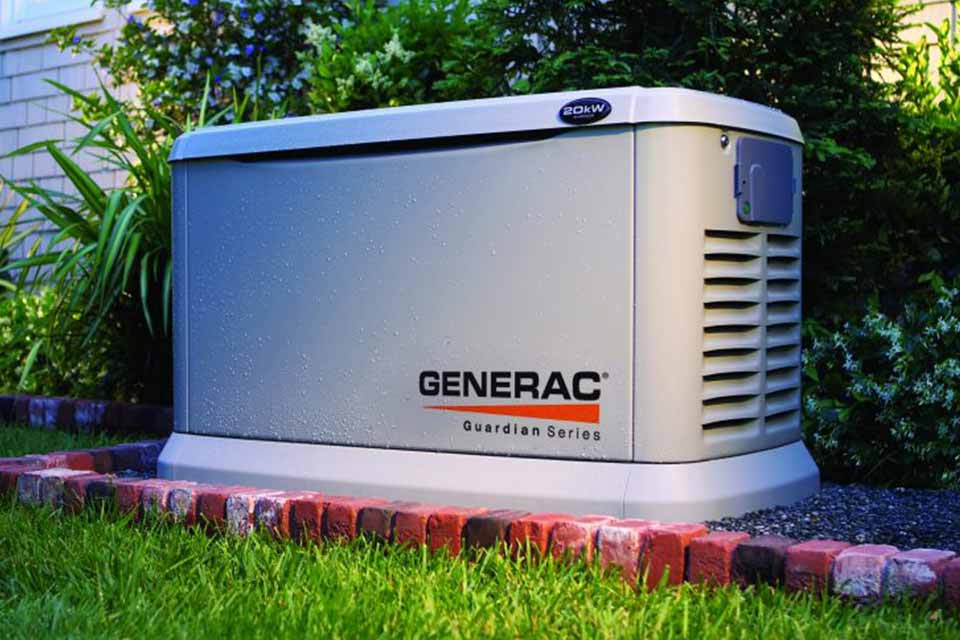
Power outages happen and cannot be prevented. Rest assured that a whole-home generator is ready for when the next outage occurs. Whole-home generators can provide backup power to your house until regular power is restored.
Benefits of a Whole Home Generator
A whole-home generator can help keep essential systems and appliances operating when utility power is interrupted. Depending on the generator size, electrical load, and system configuration, backup power may help support heating and cooling equipment, refrigeration, lighting, sump pumps, medical equipment, and other circuits that matter to your household.
For Lexington-area homeowners, that can mean less disruption during an extended outage, a lower risk of refrigerated food spoiling, and greater confidence that important home systems can continue operating while you wait for utility power to return. Because every home has different electrical demands, proper generator sizing and professional installation are essential to determining what a system can support.
- 22kw Generator
- Mobile LinkTM Wi-Fi Connectivity: connect to Wi-fi even if the power is out
- Smart, User-Friendly Controls
- Surge Protection: projects your appliances in your home from being damaged due to power surges
- Extended warranty
- One Annual Tune-Up: extend the life of your generator and ensure it’s ready when needed
- Remote Monitoring: allows you to know what your generator is doing even if you are away from home.
- Mobile App Reminders: maintenance reminders, track services performed, and run regular test to ensure your generator is running properly.
What We Look for During Home Generator Installation in Lexington
For a home generator installation, our team looks at the home itself before determining what the project may require. In Lexington, properties can differ in electrical setup, available generator placement, fuel access, and the amount of power a homeowner wants to maintain during an outage. Those details matter when planning a safe, practical installation.
Our licensed professionals evaluate the home’s electrical system and discuss which circuits and appliances are most important to keep running. Depending on the generator and property, the work may also involve gas or liquid propane connections. That is why generator installation is not simply a matter of placing equipment outside and turning it on; the system must work with the home’s existing infrastructure.
How We Approach Generator Installation in Lexington, KY
For generator installation in Lexington, KY, we start by considering the homeowner’s backup-power goals. Some families may prioritize heating and cooling, refrigeration, lighting, and other essential loads, while others may want broader whole-home coverage. We use those priorities and the home’s electrical requirements to help determine an appropriate approach rather than assuming every property needs the same setup.
Our team includes licensed electricians and plumbers, which is especially important for whole-home generators that may involve both electrical and fuel connections. During generator installations, we also consider equipment location, access for future generator maintenance, and how the system will integrate with the home.
Why Professional Generator Installation Matters for Lexington Homes
A professional generator installation involves more than selecting a generator by its advertised output. A standby generator must be properly integrated with the home’s electrical system, and fuel-powered equipment may require additional plumbing expertise. Our Lexington-area team brings electrical and plumbing capabilities together so homeowners have one company to contact about the installation process.
For homeowners considering residential generators, we can discuss backup-power priorities, installation needs, ongoing maintenance, and available financing options. We also provide related electrical services, helping us evaluate the generator as part of the home’s larger power system rather than as a stand-alone appliance.
If you are planning a generator installation in Lexington, KY, contact Fayette Heating & Air to discuss your home, your backup-power priorities, and the next steps for installation.
What to Expect When Installing a Whole-Home Generator
A whole-home generator installation starts with more than choosing a unit based on the size of your house. The right system depends on what you want to keep running during an outage, your home’s electrical demand, available fuel sources, equipment placement, and the work required to connect the generator safely.
How Generator Sizing Works
Generator size is based on electrical load, not square footage alone. A homeowner who wants to keep only essential circuits running may need a different system than someone who wants backup power for heating and cooling equipment, refrigeration, lighting, sump pumps, and other major appliances.
During the planning process, our team looks at the systems you want to operate during an outage and the electrical demand they place on the generator. This helps avoid choosing a system that is too small for the intended load or paying for capacity the home does not need.
For a deeper breakdown of load priorities, fuel choices, and system capacity, read our guide on how to choose the right generator for your home.
What an Automatic Transfer Switch Does
A standby generator works with a transfer switch that manages the transition between utility power and generator power. When an outage occurs, an automatic transfer switch detects the loss of utility power, isolates the home from the utility supply, and allows the generator to provide backup electricity to the designated circuits or electrical system. When utility service returns, the system transfers the home back to normal power.
This is a critical part of a professionally installed standby system. You can learn more about automatic operation, system components, and backup-power planning in our guide to everything you should know about standby generators.
Natural Gas vs. Propane Generators
Many standby generators operate on natural gas or liquid propane. If a home already has suitable natural gas service, that may offer the convenience of a utility-supplied fuel source. Propane can be an option for properties without natural gas service, but it requires on-site fuel storage, and the available tank supply affects runtime.
The right choice depends on fuel availability at the property, generator requirements, expected backup-power needs, and the existing gas or propane setup. Our electrical and plumbing capabilities allow us to evaluate these factors as part of the installation plan.
Natural Gas vs. Propane for a Standby Generator
The right fuel source depends on your property, available utility service, storage options, and backup-power priorities.
| Factor | Natural Gas | Propane |
|---|---|---|
| Fuel Supply | Uses the property’s natural gas service when a suitable connection and supply are available. | Uses fuel stored on the property in a propane tank. |
| On-Site Storage | Typically does not require a dedicated fuel tank on the property. | Requires an appropriately planned on-site tank and available fuel supply. |
| Runtime Considerations | Runtime depends on continued utility gas availability, system capacity, and generator demand. | Runtime depends on tank size, available fuel level, generator load, and operating conditions. |
| Property Fit | May be practical for homes with suitable existing natural gas service and adequate supply. | May be considered where natural gas service is unavailable or where on-site fuel storage fits the property. |
| Planning Factors | Existing service, available gas capacity, generator requirements, connection needs, and property layout should be evaluated. | Tank location, fuel capacity, generator requirements, refill planning, and property layout should be evaluated. |
Not sure which fuel source fits your home?
Fayette Heating & Air can evaluate your backup-power goals, generator requirements, existing electrical system, and available fuel options as part of the installation planning process.
What Affects Generator Placement
A generator cannot simply be placed wherever there is open space. The installation location may be affected by manufacturer requirements, the home’s layout, electrical service location, fuel access, openings into the home, service clearances, and applicable code requirements.
We also consider future access because the generator will need inspection, testing, and maintenance after installation. The goal is to identify a location that supports safe operation and practical long-term service.
Our Generator Installation Process
Although every property is different, a typical installation may include:
- Reviewing the homeowner’s backup-power priorities
- Evaluating electrical loads and the existing electrical system
- Confirming the generator size and fuel source
- Identifying an appropriate equipment location
- Planning electrical, transfer-switch, and fuel connections
- Completing required installation work
- Testing system operation and transfer to backup power
- Completing applicable inspections or final approvals
Because whole-home generator installations can involve electrical and fuel systems, the exact sequence depends on the property and selected equipment. Homeowners who want more detail before choosing equipment can review our guide to selecting the right generator for a home.
Maintenance After Installation
A standby generator should not be treated as “install it and forget it” equipment. Routine generator maintenance helps keep the system ready for an outage and may include visual inspections, operational testing, fluid and filter service where applicable, battery checks, and attention to manufacturer-recommended service intervals.
Fayette Heating & Air offers an annual tune-up and remote monitoring options to help homeowners keep track of system condition and maintenance needs. For more background on automatic backup systems and ongoing ownership, explore our standby generator guide.
Home Generator Financing
Financing is available for whole house generators. Give Fayette Heating & Air a call to see what options are available.