

 Skip to content

Service You Can Trust, Every Time!
When a power outage strikes, it can turn life upside down—interrupting your heating or cooling, disabling appliances, and cutting off access to everything from lights to medical equipment. Whether caused by a severe storm, downed power lines, or unexpected grid failures, losing power is never convenient and sometimes even dangerous.
That’s why so many Central Kentucky homeowners are investing in standby generators. The right generator keeps your home running smoothly, protecting your comfort, safety, and peace of mind. At Fayette Heating & Air, we understand how important it is to choose a system that works for your lifestyle and your home—and we’re here to help you find the perfect fit.
With over 50 years of trusted experience, we provide safe, professional, and efficient solutions for backup power. Below, we break down everything you need to know when selecting the right generator for your home.
Step 1: Determine What You Want to Power
Before you shop for a generator, it’s important to ask: what do I need to keep running when the power goes out? Some homeowners only want the essentials covered, while others prefer full-home coverage for uninterrupted comfort.
Basic Essentials Coverage
If you only need to power items like your refrigerator, microwave, and a few lights, a smaller generator may meet your needs. This is a cost-effective option that keeps the essentials going during short outages.
- Great for: Smaller homes or those looking for an emergency backup only.
- Covers: Lights, fridge, small electronics, and medical devices.
Partial Home Backup
If you’d like to keep your heating and cooling running, or you want to power multiple rooms, a mid-range generator might be right for you. It’s a solid balance between cost and coverage.
- Great for: Medium to large homes wanting more comfort during outages.
- Covers: HVAC systems, sump pumps, appliances, lighting, and electronics.
Whole-Home Backup
For total peace of mind, a whole-home generator powers everything—including HVAC, kitchen appliances, security systems, and more. It’s the ultimate in comfort and reliability.
- Great for: Families or individuals who want to maintain their lifestyle regardless of a power outage.
- Covers: Entire home—just like normal.
At Fayette Heating & Air, we’ll evaluate your home’s size and electrical load to recommend the right solution. Our experienced technicians provide clear, honest recommendations so you get exactly what you need—without overpaying.
Step 2: Choose Your Fuel Source
Generators run on different types of fuel, each with its own benefits. The best fuel source for your home often depends on what’s available in your area and your usage preferences.
Natural Gas
Natural gas generators are efficient and convenient—especially if your home already has a gas line. They can run indefinitely during outages, making them a low-maintenance and eco-friendlier option.
- Pros: No need for fuel storage, quieter operation, longer run times.
- Best for: Homes with natural gas service.
Propane
Propane is a clean-burning fuel that’s ideal for areas without natural gas access. It can be stored safely on your property and offers a longer shelf life than gasoline.
- Pros: Clean fuel, easy storage, reliable during outages.
- Best for: Homes with no natural gas line or wanting fuel independence.
Diesel
Diesel generators are more common in commercial settings but can also serve large homes with high energy demands. They offer powerful performance but require more frequent maintenance.
- Pros: High efficiency, long lifespan.
- Best for: Large homes or rural properties needing serious backup power.
Not sure what’s best for your home? Our certified experts will walk you through the options and help you choose a generator that fits your home, your needs, and your fuel access.
Step 3: Select the Proper Generator Size
Choosing the correct size generator ensures your backup power runs smoothly. A generator that’s too small can overload and shut down, while one that’s too large can waste fuel and money.
We recommend sizing based on the total wattage of what you want to power during an outage. Here’s a general guide:
- 5,000 – 7,500 watts: Covers basics like lights, fridge, and small appliances.
- 8,000 – 12,000 watts: Handles multiple rooms and systems like HVAC.
- 12,000+ watts: Designed for whole-home coverage.
Every Fayette Heating & Air, installation starts with a full load assessment. That means no guesswork—just expert advice and dependable results.
Step 4: Choose Between Portable and Standby Generators
While portable generators are convenient for short-term use, standby generators are ideal for long-term reliability and automatic operation.
Portable Generators
- Require manual setup and fueling
- Typically power only a few appliances
- Lower upfront cost
Standby Generators
- Automatically turn on when the power goes out
- Can power part or all of your home
- Permanently installed and professionally maintained
For most homeowners seeking convenience and peace of mind, a standby generator is the preferred option. Our team provides seamless installation with minimal disruption, so you’re fully prepared the next time the power goes out.
Step 5: Professional Installation and Ongoing Maintenance
Installing a generator safely involves working with electrical systems, fuel lines, and transfer switches—so professional installation is a must. At Fayette Heating & Air, we handle every step, from sizing and permits to testing and final inspection.
Once your generator is installed, we’ll make sure it stays in top shape with regular service checks. Preventative maintenance helps your system perform when you need it most—and extends the life of your investment.
Be Prepared With a Whole-Home Generator
In July 2018, Central Kentucky experienced one of the worst power outages since the 2003 ice storm occurred. It was reported that more than 80,000 people were without power during this time. Some areas were without power for as long as five days.
Power outages can be incredibly scary events, but there are steps you can take to be prepared for them. That’s where a whole-home generator comes in. There are many benefits of having a home generator, including:
1. Transitions Seamlessly
You don’t have to worry when the power goes out, and often, you won’t even notice there’s an outage. As soon as the electricity stops running from the main power lines, the generator automatically kicks on. The seamless transition provides homeowners peace of mind that their families will stay safe and the lights will stay on.
2. Runs on Natural Gas or Propane
Whole-home generators run on natural gas or propane. This allows for continual power, with no need to refill the generator with gasoline. The alternate energy source is incredibly important, considering power outages can last many days. A portable generator will require you to continue refilling it with gasoline while powering only specific appliances in your home, but a whole-home generator will continue running uninterrupted until power is restored.
3. Powers Refrigerators
If the power is out for days, you might have to throw out all your refrigerated and frozen foods. Your generator can keep your fridge running so your food stays cold. While this might seem very small, this can save you hundreds of dollars, a lot of frustration, and an unnecessary trip to the grocery store.
4. Prevents Pipe Freezing
In the winter, your heating system can keep your pipes from freezing. When the temperatures are below freezing and your power goes out, your pipes are at serious risk of freezing. When your pipes freeze, they can burst, causing thousands in water damage. Your generator can keep your heat running, so you don’t have to worry about your pipes freezing or bursting.
5. Charges Electric Vehicles
If you or a member of your family has an electric vehicle (EV), a whole-home generator can also be used to charge your car. If your power is out for more than a few days, this will especially come in handy to allow for transportation. Just because the power’s out doesn’t mean your routine has to change–at least not with a generator to power your home and charge your car.
6. Eliminates Safety Concerns
Electricity is the power source behind many systems that we don’t even think about needing power to run. Security systems, smart home products, medical equipment, and some home plumbing systems will all be interrupted during a power outage. Most sump pumps rely on electricity, and flooding occurring in the basement can happen within a few short hours after the power goes out.
7. Keeps Your HVAC System Operating
You have the choice to keep your heating and cooling system running with whole-home generators. So you don’t have to experience freezing cold temperatures or restless, sweaty nights when the power goes out. You and your family will stay comfortable inside, no matter the weather outside.
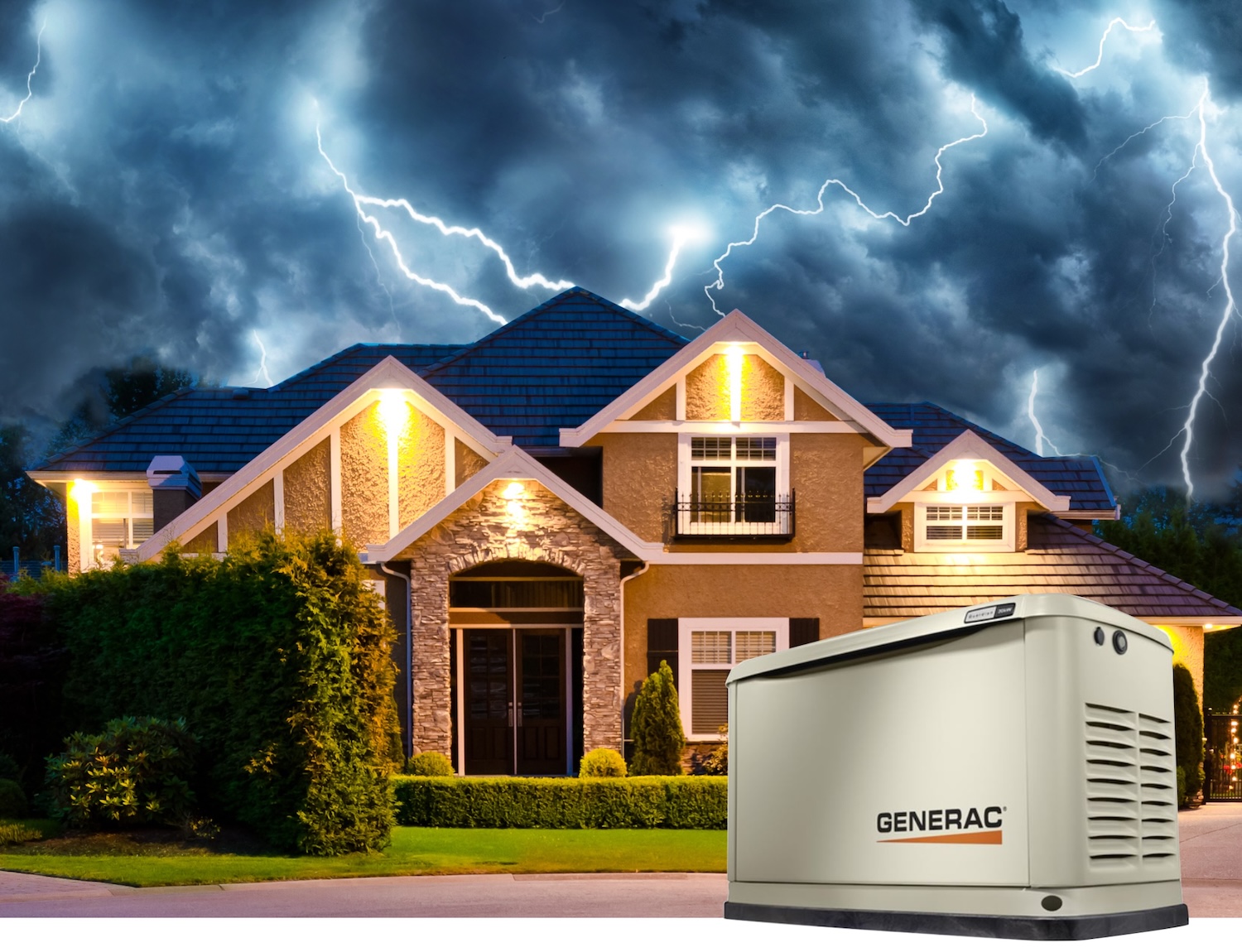
Our technicians are trained in the installation and full routine maintenance of Generac Whole-Home Generators. Contact us online or give us a call today at 859-577-9701 to schedule your free in-home generator estimate!
Why Homeowners Choose Fayette Heating & Air
We’re proud to be trusted local experts with more than 50 years of experience serving Central Kentucky. Homeowners turn to us because we offer:
- Fast and Convenient Service: Same-day appointments and weekend availability
- Unmatched Expertise: Our certified technicians undergo rigorous training and continuous education
- Top-Tier Customer Care: Safe, courteous, and professional service—every time
- Transparent Pricing: Competitive rates with no surprises
- Award-Winning Reliability: Backed by a proven track record of excellence
No matter the hour, we’re ready to deliver service you can trust, every time.
FAQs: Choosing a Home Generator
How much does a generator cost?
Generator prices vary depending on size, fuel source, and installation needs. A portable model may range from $500–$2,000, while a standby generator can cost between $4,000–$12,000 or more, including installation. We provide upfront pricing and free estimates, so you always know what to expect.
What size generator do I need?
This depends on how many appliances or systems you want to keep running during an outage. Our team will help you calculate the right size during an in-home assessment—no guesswork needed.
Will I need permits to install a generator?
Yes, most whole-home generator installations require permits for fuel and electrical work. Don’t worry—we handle all permitting and code compliance, so your installation goes off without a hitch.
How long will my generator last?
With proper maintenance, most standby generators can last 20+ years. We offer ongoing maintenance plans to keep your system in peak condition year-round.
Can a generator run my heating or air conditioning?
Absolutely! With the right sizing, a standby generator can power your furnace, central AC, or heat pump system—keeping your home comfortable no matter the weather.
Ready for Reliable Backup Power?
Whether you’re preparing for storm season or just want peace of mind year-round, Fayette Heating & Air can help you find the perfect generator solution. We’re here to make the process simple, stress-free, and safe—with service you can trust, every time.
Schedule your free generator consultation.