

 Skip to content

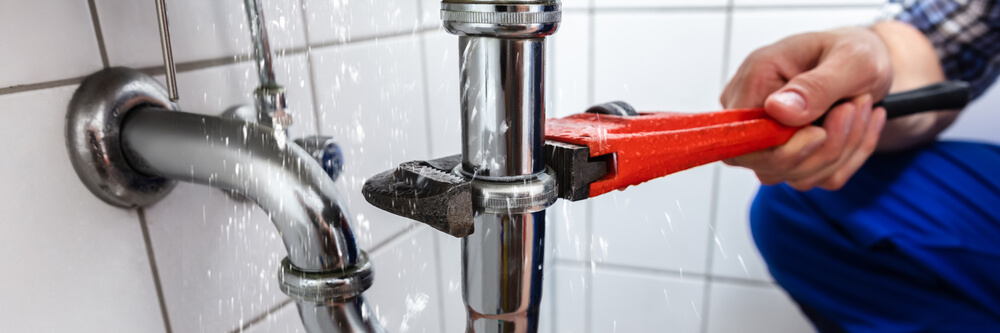
A leaking pipe in your home can be a disaster, leaving you with not only a pipe to repair but also a potential for water damage in your home. As you start calling local plumbing companies, you might be wondering, what’s the cause of my leaky pipe?
Common Causes of Leaking Pipes
1. Corrosion in a Metal Pipes Will Cause a Water Leak
Many pipes consist of metal, and with water consistently running through these metal pipes, it’s only a matter of time before corrosion sets in and becomes a problem. The consistent flow of water can accelerate corrosion and wear down metal pipes, especially if they aren’t protected with a barrier that will mitigate corrosion.
Regular inspection and maintenance of your pipes are essential to detect and address corrosion before it causes significant damage.
2. Cracked Pipe Problems in Your Water Supply Line
Cracks in plumbing pipes are considered an urgent problem because of how fast they can damage your home. Plumbing experts recommend pressure regulators for your system, which help to keep the water within a reasonable amount of pressure to prevent cracks or even a burst. A crack shows a weakness in the pipe that will eventually lead to a burst if not repaired in time.
The crack might start as a drip or a small leak, but as the pressure slowly forces water through, the pipe walls will give way, and you’ll find yourself regretting putting repairs off after spending more money on potential water damage from a burst pipe.
3. Broken Seals That Lead to Pipe Leaks
Not every piece of your plumbing system consists of metal pipes. Workers will typically use a rubber sealant around connections where water might leak out, such as a dishwasher door. Over time, however, seals wear out, dry out, and fail.
Any time you have any plumbing work done on your home, the seals should be checked and updated as needed. Additionally, if you notice any condensation or water puddling around appliances, you may have a broken seal.
4. Blockages in Pipes
Although it may seem counter intuitive, sometimes the source of your leak could be due to a blockage in your pipe. This problem is easiest to notice when the drainage pipes are blocked. Tree roots tend to spread and grow into sewage pipes that run wastewater out of your house, starting a blockage by creating a type of wall that allows food, toilet paper, and other debris in your wastewater to clog up.
Over time, the blockage will continue to grow until wastewater simply can’t get through when you flush the toilet, take a shower, or run the dishwasher. Unfortunately, physics dictates that the water has to go somewhere, so if it can’t go through, the pressure will build up until it finds a weakness in the pipe where it can escape and leak. This action will cause extra stress on the pipe’s joints.
5. Damaged Pipe Joints in One Area of the Plumbing System
The joints between pipes are typically the most vulnerable point of any system, so damage to these joints could cause leaks to develop. Pipe joints are the connections on pipe ends that allow for connection to another pipe and help direct water where it needs to go in the home.
Whether the damage is caused by pipes expanding and contracting, or just cheap workmanship, any damage to a joint compromises its ability to contain pressure within the system. If you hear any ticking or banging noises from your pipes, especially when running hot water, then it may be time to get your pipe joints checked.
6. Excessive Water Pressure
Experiencing excessive water pressure may be nice when you want a shower or need to hose something off, but it’s important to consider that the pressure is sitting within the pipes constantly.
Your plumbing is only designed to withstand a certain amount of water pressure, but if there is too much, any weak joints will be put under stress until eventually they fail to keep the water contained any longer.
7. Underground Movement That Can Crack a Pipe
Similar to how tree roots can grow into your underground pipes, your pipes are vulnerable to any unusual movement underground or flooding that happens beneath the surface. As the ground moves, your pipes are susceptible to shifting with it, causing them to bend, crack, or become completely separated.
It’s essential to schedule regular pipe inspections to keep your underground pipelines maintained and leak-free, especially if you live in an area where earthquakes are common.
8. Incorrect Pipe Installation
A common cause of leaking pipes is incorrect installation. Because plumbing systems require water to flow against gravity, there are many necessary steps that only a plumber would be trained to do, like ensuring the pipes and connectors are laid properly and backflow devices are used when necessary.
Steps to Fix a Leaking Pipe
Step 1: Turn Off the Water Supply
The first step when dealing with leaking pipes is to turn off the water supply to the affected pipe. This stops additional water from escaping and prevents more damage to your home, including flooring damage or staining on walls and ceilings. If possible, shut off the valve supplying the individual pipe. If you cannot locate it, turn off the main water supply for the entire home.
Step 2: Identify the Source of the Leak
Inspect the pipe and nearby pipes to find the exact area where the leak is occurring. A water leak may come from loose fittings, small cracks, corrosion, or a damaged joint. Determining the location helps decide which repair method or tools will work best.
Step 3: Dry the Pipe and Surrounding Area
Before attempting broken pipe repair, wipe away any standing water and dry the pipe thoroughly. Removing moisture allows tape, epoxy, or other patch materials to adhere properly and stop the leak more effectively.
Step 4: Apply a Temporary Leak Repair
Several methods can temporarily stop pipe leaks until professional pipe repair can be completed:
- Wrap the leaking pipe with plumbers tape or specialized pipe wrap to seal the leak.
- Apply epoxy putty or pipe putty directly to the leaky pipe to create a durable patch around the area.
- Use a repair clamp or coupling to secure the damaged pipe section and contain the water leak.
These solutions help control leaks and prevent further damage while you arrange a permanent leak repair.
Step 5: Restore Water and Check the Repair
After completing the temporary repair, slowly turn the water supply back on. Watch the pipe carefully to confirm the leak has stopped. If water continues to escape or multiple leaks appear, additional pipe repair may be necessary.
Step 6: Call a Professional Plumber
While temporary fixes can help stop leaking pipes, a licensed plumber should evaluate the problem for long-term repairs. Professional leak detection can identify hidden pipe leaks inside walls, floors, or underground line connections, including sewer or irrigation systems. A plumber can replace damaged pipes, secure fittings, and ensure your water supply system is fully restored.
Addressing a leaking pipe quickly protects your home from costly damage and keeps your water system operating safely.
Take Care of Leaks Before They Start
When it comes to leaking pipes, your best approach is always maintenance and prevention. This means having your plumbing assessed regularly to look for corrosion, cracks, signs of deteriorated seals or damaged joints, blockages or slow drains, banging, and even too much water pressure.
For more information on how an occasional checkup and preventative maintenance can help avoid expensive leaks, contact Fayette today, and we’ll schedule you with a dependable technician who can keep your water flowing smoothly and free of leaks.