

 Skip to content

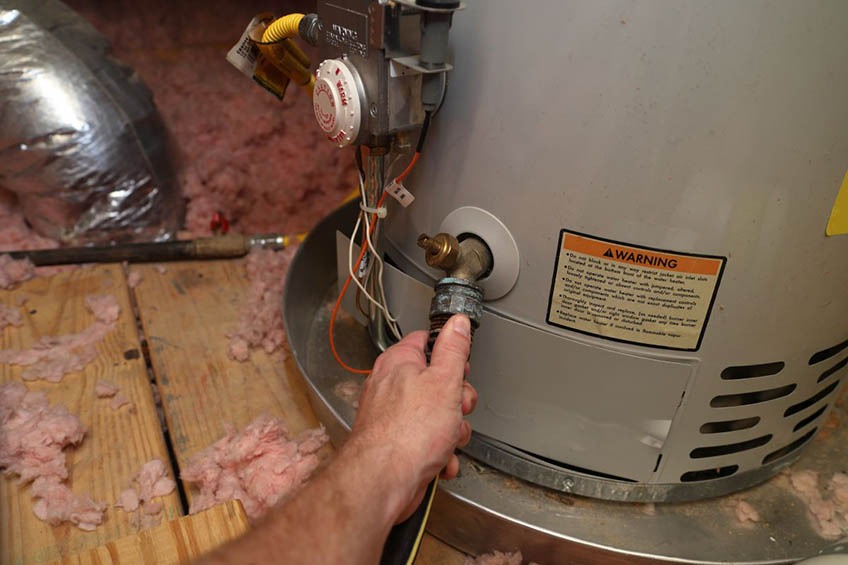
Finding water pooled around your water heater is enough to make any homeowner stop in their tracks. In a busy Lexington or Elsmere household, a water heater leaking can quickly turn from a nuisance into a serious disruption. Some leaks are minor and tied to a simple component, while others are early warning signs that the tank itself is failing.
The goal of this guide is to help you understand why your water heater is leaking, where the water may be coming from, and what your next step should be to protect your home.
Immediate Safety Steps: What to Do First
Before trying to diagnose anything, take a few quick safety steps. These help limit damage and reduce risk while you figure out what is happening.
First, turn off the power to the unit. For an electric water heater, switch off the breaker at the electrical panel. For a gas unit, turn the thermostat to the off position. If you smell gas, do not adjust the heater further and call for emergency plumbing service right away.
Next, turn off the water supply to the heater. The cold water shut-off valve is usually located on the pipe entering the top of the unit. Stopping the flow can prevent additional leaking while you assess the situation.
If there is heavy flooding or you are unsure about safety, contacting an emergency plumber is the right move.
Diagnose the Source: Where Is the Water Coming From?
Not all leaks mean the same thing. Where the water appears can point to very different causes.
Leaking From the Top
Water around the top of the unit is often related to loose inlet or outlet connections. It can also come from a failing temperature and pressure relief valve. These parts are designed to control pressure, and when they wear out, small leaks can appear.
Leaking From the Bottom
Water collecting at the base of the heater is more concerning. It may be caused by a faulty drain valve, which can sometimes be tightened or replaced. However, it can also indicate internal tank damage related to sediment buildup or corrosion.
Leaking From the Side or Middle
Water coming from the side is often tied to the discharge pipe connected to the relief valve. This usually means pressure inside the tank is too high. While the valve may be doing its job, it signals an underlying issue that should be addressed.
A key rule of thumb is this: leaks from valves or fittings may be repairable, but a leak coming directly from the tank itself usually means replacement is needed.
5 Common Reasons a Water Heater Is Leaking
Understanding the most common causes helps answer the question, why is my water heater leaking in the first place.
- Age and wear
Most standard tank water heaters last around 8 to 12 years. In Central Kentucky, mineral-rich water can accelerate wear inside the tank. As the lining deteriorates, leaks become more likely. - Drain valve issues
The drain valve at the bottom of the unit allows the tank to be emptied for maintenance. Over time, plastic or loose valves can begin to drip, leading homeowners to think the tank itself is failing. - High water pressure
If your home’s water pressure is too high, the relief valve may release water to protect the tank. This can look like a leak but is actually a sign that pressure regulation needs attention. - Internal corrosion
Water heaters rely on an internal anode rod to reduce corrosion. Once that rod is depleted, corrosion can attack the tank lining, eventually leading to leaks. - Sediment buildup
Minerals in Lexington-area water settle at the bottom of the tank. Over time, this sediment can overheat and stress the metal, causing cracks and leaks.
These issues explain why a water heater leaking should never be ignored, even if the amount of water seems small.
Is a Leaking Water Heater Dangerous?
Homeowners often ask, is leaking water heater dangerous? The answer depends on the cause and severity. A slow drip from a valve is less urgent than a cracked tank, but any leak increases the risk of water damage, mold, and electrical hazards.
If the leak is tied to pressure issues or gas components, the situation becomes more serious. That is why identifying the source quickly and involving a licensed plumber when needed is important for safety.
Is It a Leak or Just Condensation?
Not every wet surface means a true leak. In very humid Lexington summers or with a newly installed unit, condensation can form on the outside of the tank.
A simple test is to wipe the surface dry and check again after an hour. If moisture returns in the same spot or water collects on the floor, it is likely a leak rather than condensation.
When to Call Fayette Heating & Air
If you are unsure about the cause, if the leak continues after basic checks, or if the tank itself appears compromised, it is time to call a professional. Fayette Heating & Air has served Lexington and Elsmere homeowners since 1971 and understands local plumbing conditions and code requirements.
Our licensed plumbers can determine whether water heater repair is appropriate or if replacement is the safer option. We also help homeowners explore both traditional tank and tankless water heater solutions when an upgrade makes sense.
If you are dealing with a water heater leaking and need help, call (859) 203-4602 or schedule your appointment online today. Acting early can help limit damage and get your home back to normal faster.