

 Skip to content

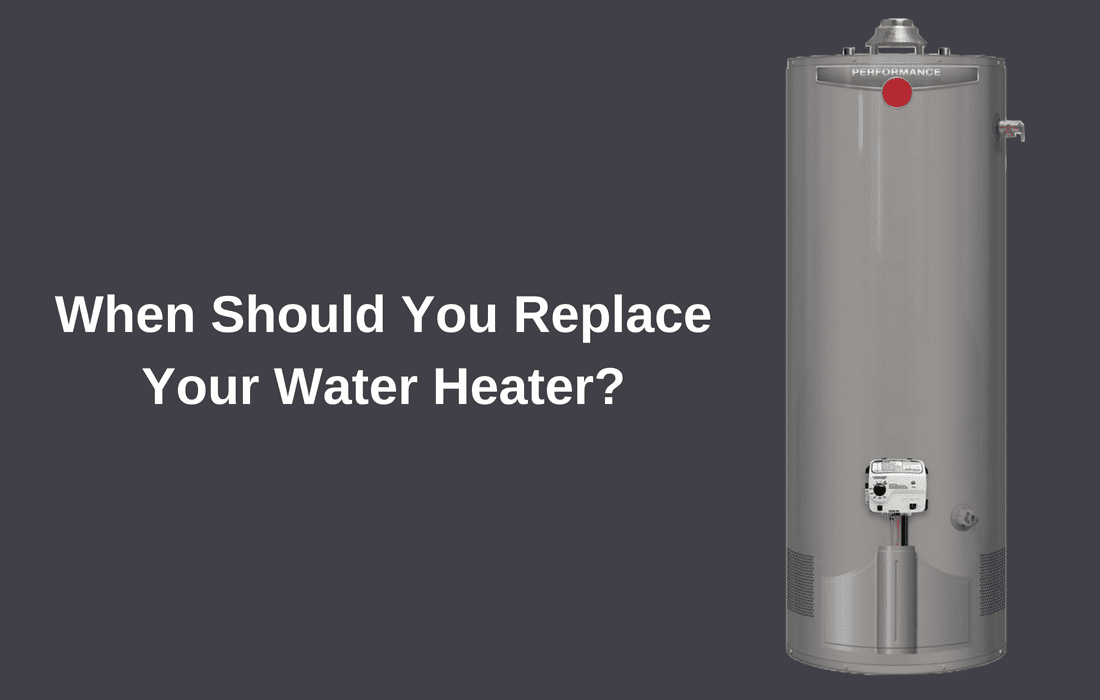
Water heaters are an essential part of living comfortably in your home. From hot showers to cleaning dishes, hot water is convenient in almost every facet of your home. Even though water heaters last several years, they can become inefficient and costly as they begin to wear down. This can create the difficult decision of trying to decide exactly when to replace your water heater.
4 Signs Your Water Heater Should Be Replaced
Many factors can indicate that your water heater is not working properly. Some issues can be repaired, whereas others might require a replacement. It’s time to consider replacing your water heater when you start noticing these signs:
Water Heater Failure Sign #1: Old Age
Age is a critical factor when deciding on a water heater replacement vs. repair. As your water heater ages, more parts begin to fail, resulting in issues ranging from costly water leaks to a completely non-functioning water heater.
According to Angi, a water heater repair can cost anywhere from $220 to $978 per incident. With this in mind, it is important to consider the average age of a water heater to determine when a replacement will save you more than continuous repair visits will.
In Central Kentucky, for example, the average lifespan of a water heater is only ten to 15 years. That is only the average, however. Your water heater may not even make it to ten years, or it may make it to 17 with only occasional repairs. After a certain age and a certain number of repairs, it may be more cost-effective to consider a complete water heater replacement.
Water Heater Failure Sign #2: Leaks
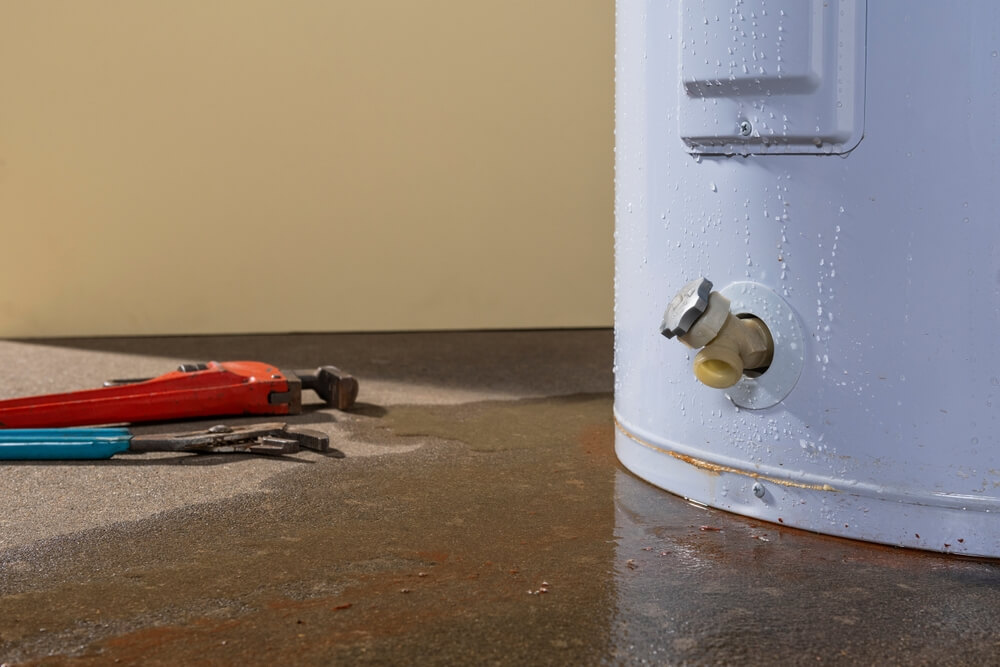
In conjunction with age, leaks or signs of leaks coming from the appliance can indicate that it’s time to replace your water heater. Leaks are usually a sign that the inner shell of your water heater is wearing down. Patching the shell will only temporarily solve the leak.
If you are experiencing a leak from your water heater, shut off your water and call a plumber. Even if the leak is minor, it may indicate a greater issue with your water heater. Ultimately, your plumber will determine the cause of any leak and advise you on the best solution to the leak.
Water Heater Failure Sign #3: Your Water Heater is making Unusual or Loud Noises
While it may seem odd, irregular, or abnormal, noises from your water heater can indicate a need for replacement. Loud sounds, rumblings, or vibrations are usually caused by hard water. The minerals in hard water build up inside your heater over time, making it harder to heat the water. The heating element will have to heat through a layer of hardened minerals which act as insulation, taking it longer for it to heat the water properly.
Sometimes, these hardened minerals will break off, causing loud sounds as they move around your water heater. These noises can also result from the excess strain on the heater. As the stress and strain of inefficiently heating your water wear them down, these parts can become extremely noisy. When you notice unusual sounds, it is best to call a plumber for a professional opinion on the causes.
To combat a hard water issue in the home, consider installing a water filtration system. This system will not only make it easier on your plumbing system and appliances but also provide cleaner water for consumption and cleaning.
Water Heater Failure Sign #4: Lack of Hot Water

A lack of hot water could indicate that it’s time for a new water heater. As your water heater ages, it will be less equipped to supply the same volume or temperature of hot water. These issues are usually a sign that your water heater’s heating element is wearing down.
By the end of its lifespan, the heating element will no longer be able to heat your water efficiently. As an integral component of your water heater, a damaged heating element is an indication of a damaged water heater. Hard water is a major culprit of the damage, as mineral collections wear down the metal inside of your water heater.
While a heating element can be replaced, a complete replacement is the more cost-effective solution. The hard water will break down everything inside of a water heater, continuing to cause other problems, even after it is repaired. Regardless, it is always best to have a licensed plumber examine your water heater and advise you on any repair or replacement decisions.
However, if the heating element is the only issue, the cost to replace the heating element in the water heater is fairly cheap. A water heater heating element costs $15 to $60 itself. To have a heating element repaired professionally, it can cost $200 to $300, including labor. Changing the heating element in a hot water heater is a job typically left to the professionals, especially without having certain tools like a continuity tester.
When to Replace Water Heaters and How Water Quality Impacts Performance
Deciding when to replace water heaters often comes down to more than age alone. The quality of the water flowing through your home plays a major role in how long your system lasts and how efficiently it operates. In Central Kentucky, mineral-rich water can accelerate wear inside the tank, leading to sediment buildup, reduced heating efficiency, and higher energy bills. Over time, even a well-maintained unit may struggle to keep up with daily demand as scale coats heating elements and internal components.
If you’re experiencing recurring repairs, inconsistent hot water, or rising utility costs, replacing your water heater may be the smarter long-term investment. Pairing a new system with improved water quality solutions, such as filtration or softening, can help protect your replacement and extend its lifespan. Cleaner water reduces strain on internal components, improves heating efficiency, and helps ensure your new water heater delivers reliable hot water for years to come. A professional assessment from Fayette Heating & Air can help you determine the right time to replace your water heater and whether water treatment upgrades make sense for your home.
Experienced plumbers will be able to accurately diagnose any issues and give you personalized advice tailored to your home’s needs. To schedule a plumbing system check for your water heater or for tips on how to extend the life of your water heater, contact the professional plumbers at Fayette.