

 Skip to content

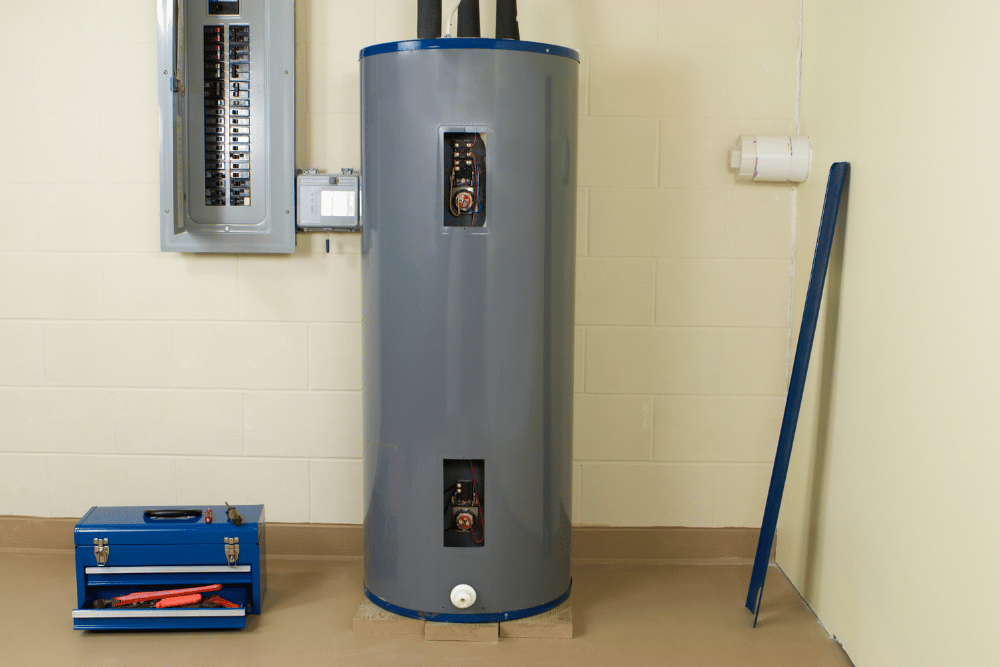
7 Signs Your Water Heater Is About to Fail
A failing water heater is more than just an inconvenience. Cold showers, rising utility bills, or even water damage can catch homeowners off guard if early warning signs are missed. Whether your water heater is aging or just acting differently, being able to recognize red flags can help you avoid a breakdown or costly emergency.
This guide outlines the top signs of water heater failure, how to troubleshoot common problems, and what steps to take if your unit is nearing the end of its lifespan.
Common Signs Your Water Heater Is Failing
A water heater rarely fails without warning. Paying attention to small changes can help you address minor issues before they become major problems. Here are the most common signs that your water heater may be close to breaking down:
- Inconsistent or lukewarm water. If your water suddenly turns cold or doesn’t get as hot as it used to, the heating element or thermostat may be malfunctioning.
- Rusty or discolored water. Brown, orange, or metallic-tasting water may indicate internal corrosion. Once rust begins inside the tank, replacement is usually necessary.
- Strange noises. Sediment buildup at the bottom of the tank can overheat and harden, causing loud popping or banging sounds during heating cycles. Flushing the tank may help, but recurring noise often signals wear.
- Leaks around the tank. Moisture or puddles near the base of your water heater can come from small cracks or loose fittings. Even minor leaks should be addressed quickly to prevent water damage.
- Water takes too long to heat up. If your system is slow to provide hot water, sediment buildup or a worn heating element may be to blame. This can cause higher energy use and poor performance.
- Frequent repairs. Needing repairs more than once a year is often a sign the unit is nearing the end of its lifespan. Ongoing fixes can add up quickly and may no longer be cost-effective.
- Age. Most traditional water heaters last eight to twelve years. If yours is older and showing signs of wear, planning for a replacement can help you avoid surprise breakdowns.
What to Do If You Notice These Signs
Some minor water heater issues can be checked at home, while others should be handled by a licensed professional. Here’s how to respond when warning signs appear.
DIY Checks
- Test the pressure relief valve. Lift and release the lever to ensure water flows out. If it sticks, it may need to be replaced.
- Flush the tank. Draining a few gallons can remove sediment and improve efficiency.
- Inspect for leaks. Look around the base of the unit and at connection points for signs of dripping or corrosion. Our plumbing inspection services can also help with this.
When to Call a Professional
- No hot water at all, which may indicate a failed heating element or gas valve
- Rust-colored water, which often means internal tank damage
- Major leaks or signs of tank failure, which present a risk of flooding
If you’re unsure what you’re dealing with, it is safest to contact a trained technician. They can evaluate your system and determine if repair or replacement is the right option.
Risks of Ignoring a Failing Water Heater
Waiting too long to address problems with your water heater can create serious consequences. Ignoring early symptoms often leads to higher costs and greater inconvenience.
- Water damage. Leaking tanks on water heaters can destroy flooring, walls, and belongings.
- Higher energy bills. Older units run less efficiently and require more power to operate.
- Complete failure. A non-functioning water heater may fail suddenly, leaving you without hot water when you need it most.
- Safety hazards. Damaged or outdated water heaters can pose fire, gas, or electrical risks if left unchecked.
Proactive maintenance and timely replacement can reduce these risks and give you peace of mind.
How to Extend Your Water Heater’s Lifespan
Routine maintenance can go a long way toward improving efficiency and avoiding unexpected breakdowns. Here are some practical ways to protect your water heater and maximize its service life.
- Annual flushing. Removes sediment and mineral buildup from inside the tank. Technicians do this as part of our plumbing maintenance services.
- Anode rod replacement. This metal rod prevents rust and should be checked every two to three years.
- Temperature setting at 120 degrees Fahrenheit. Prevents overheating and minimizes wear on components.
- Professional inspections. Yearly tune-ups catch small issues before they cause major damage.
If your system has already passed the ten-year mark, regular inspections become even more important. They can help you plan for a replacement before you’re left without hot water.
How Long Should a Water Heater Last?
Conventional Tank Water Heaters
- Typically 8-12 years
Tankless Water Heaters
- Often 15-20 years with proper maintenance
Factors That Affect Lifespan
- Water quality
- Hard water minerals
- Maintenance frequency
- Water usage
- Installation quality
Peace of Mind Starts with a Reliable Water Heater
Do not wait for a cold shower or a flooded basement to take your water heater seriously. If you’re noticing signs like unusual noise, rust-colored water, or frequent repairs, your system may be on the verge of failure. Taking action early can help you avoid costly repairs and emergency service calls. If you are debating whether a tankless or traditional water heater is best for your home, Fayette Heating and Air can help with your decision.
Why Water Heaters Fail in Kentucky Homes
Many water heater failures can be traced back to a handful of common issues. At Fayette Heating & Air, we frequently see these problems in Lexington-area homes:
- Sediment buildup – Minerals in Kentucky’s water settle in the tank, reducing efficiency and causing rumbling noises.
- Corrosion – A worn anode rod allows internal corrosion that can lead to rust, discolored water, and costly leaks.
- Heating component failures – Worn elements, burners, or thermostats can cause inconsistent or lukewarm water and poor water temperature control.
- Pressure problems – A failing relief valve can increase pressure inside the tank and contribute to damage.
- Lack of maintenance – Skipping routine heater maintenance allows sediment, wear, and small issues to become major heater problems.
- Age and wear – Most water heaters last 8–12 years before requiring significant repair or replacement.
Common signs of water heater failure include strange noises, recurring leaks, reduced hot water supply, and rising energy costs. If your water heater is showing these warning signs, Fayette Heating & Air can help determine whether a repair or replacement of your water heater is the best solution.
| Cause of Failure | Warning Signs | Potential Outcome |
|---|---|---|
| Sediment Buildup | Rumbling noises, slow heating, higher energy bills | Reduced efficiency and premature replacement |
| Corrosion & Worn Anode Rod | Rusty or discolored water, leaks | Tank failure and water damage |
| Heating Component Failure | Inconsistent or lukewarm water | Loss of hot water |
| Pressure Problems | Relief valve issues, leaks | Tank stress and component damage |
| Poor Maintenance | Frequent issues, declining performance | More repairs and shorter lifespan |
| Advanced Age (8–12+ Years) | Multiple warning signs appearing together | Full water heater replacement |
How Lexington Water Conditions Affect Water Heater Lifespan
Homeowners throughout Lexington and Central Kentucky often experience mineral buildup from hard water. Installing a water softener can help reduce sediment buildup and extend the lifespan of your water heater.
Over time this can:
- Reduce efficiency
- Increase heating costs
- Cause sediment accumulation
- Shorten tank life
- Create rumbling noises
During service visits, technicians frequently find sediment buildup as one of the leading contributors to premature water heater failure.
Need water heater installation or repair in Lexington? Contact us today.
FAQ About Water Heater Failure
Can a water heater fail suddenly?
Yes. Many water heaters show warning signs first, but tank failures can happen unexpectedly.
Is rusty water always caused by a failing water heater?
Not always. Rust can come from plumbing pipes, but corrosion inside the water heater tank is a common cause.
How much does a water heater replacement cost?
Costs vary based on tank size, fuel type, installation requirements, and code upgrades.
Should I replace my water heater before it fails?
If your unit is over 10 years old and showing multiple warning signs, proactive replacement can help avoid emergency breakdowns and water damage.