

 Skip to content

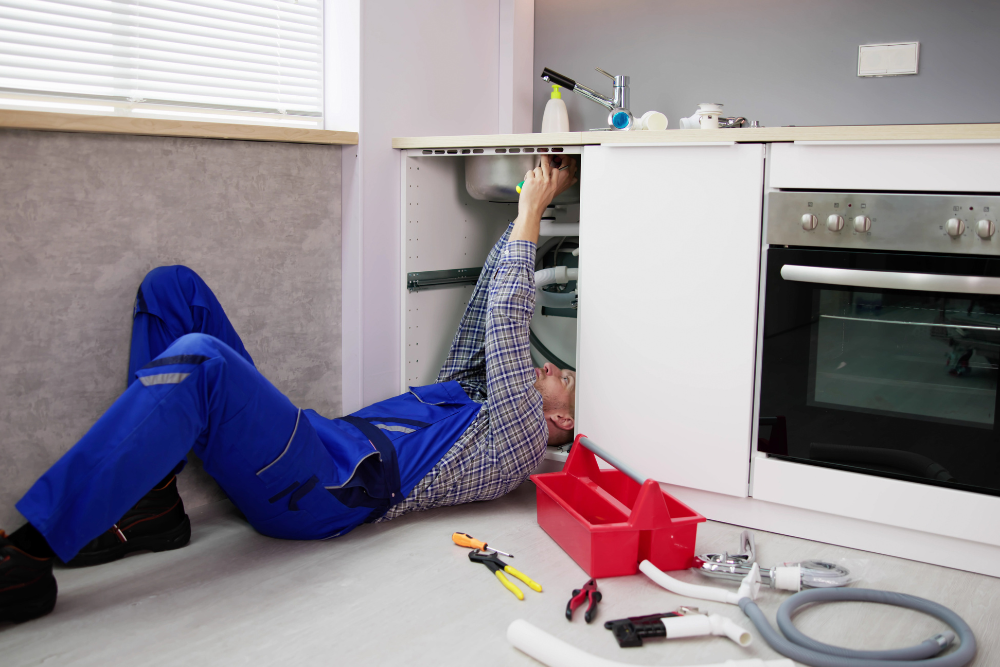
Most of us depend on our garbage disposal without thinking about it. It grinds up leftovers, keeps the sink clear, and makes cleanup a little easier. But it’s not built for everything that ends up in the sink, and when it gets treated like a trash can, that’s when a clogged garbage disposal turns into a bigger mess than a few dishes.
TL;DR: A clogged garbage disposal is usually caused by grease, starchy foods, fibrous scraps, coffee grounds, or hard objects. Most clogs clear with the reset button, a hex key, a plunger, or a baking soda and vinegar flush — but if the unit hums without spinning, leaks, or the clog keeps coming back, it’s time to call a plumber.
What’s Really Causing Your Clogged Garbage Disposal?
A disposal that’s humming but not spinning, draining slowly, or backing up standing water is almost always dealing with one of two things: a jam (something solid stuck between the blades) or a clog (buildup blocking the drain line below it). Here in Lexington, we see it all the time — a big family dinner, a sink full of dishes, and someone rinses the wrong thing down the drain. Before long, the disposal is humming, the water’s backing up, and the kitchen smells like something’s gone bad. Most of these breakdowns come down to the same few habits.
The Top 5 Culprits Behind a Clogged Disposal
Knowing what causes a clogged garbage disposal is the fastest way to keep it from happening again.
1. Fats, Oils, and Grease
Grease is the number one disposal killer in Central Kentucky kitchens. It looks harmless when it’s hot, but as soon as it cools, it sticks to your pipes like glue. It hardens, catches food scraps, and keeps building up until nothing can pass through. Around the holidays, it’s an even bigger issue — turkey drippings, gravy, and ham glaze get rinsed away in seconds, then harden in the drain line a few minutes later.
Tip: Pour leftover grease into a jar or coffee can and let it harden, then throw it in the trash. Wipe pans with a paper towel before washing to keep residue out of your sink.
2. Starchy and Expanding Foods
Pasta, rice, and potatoes are a hidden problem. When they hit water, they swell up and stick together like paste, and once that paste coats your pipes, even small bits of food can’t pass through. If you’ve ever peeled a dozen potatoes for mashed potatoes or rinsed leftover pasta down the drain, you’ve probably set the stage for a clog without realizing it.
Tip: Scrape starches and peels into the trash instead of the sink. If a little slips through, run plenty of cold water to flush it out of the line.
3. Fibrous or Stringy Produce
Celery, corn husks, and onion skins don’t grind up the way softer foods do. They’re full of fibers that wrap around the moving parts inside the disposal, and once those strands get caught, the motor can jam or overheat. This is one of the most common issues our plumbers see during the holidays, when a few corn husks or potato peels can stop the whole system in its tracks.
Tip: Keep a small bowl nearby while you cook for vegetable scraps, then toss it all in the trash or compost when you’re done.
4. Coffee Grounds
Coffee grounds don’t dissolve. They form a thick layer that sits at the bottom of your pipes and traps grease and debris, and over time that buildup turns into sludge that slows your sink to a crawl.
Tip: Empty coffee grounds into the trash or compost. They’re great for gardens, not for plumbing.
5. Hard Materials, Bones, and Pits
Anything too hard to chew doesn’t belong in your disposal. Chicken bones, fruit pits, and nutshells are too dense to grind up — they dull the impellers, damage the motor, and can get stuck in the chamber. If your disposal makes a loud grinding noise or hums without turning, something hard is probably wedged inside, and forcing it to run longer can make the damage worse.
Tip: Throw bones and pits in the trash. Even small fragments can chip or jam the system.
Hard water minerals can add to the problem, too — mineral buildup on the impellers makes a disposal work harder and jam more easily over time. If your water leaves white residue on faucets or dishes, a water softener can cut down on that buildup throughout your whole plumbing system, not just the disposal.
How to Fix a Clogged Garbage Disposal, Step by Step
Most of these fixes take five minutes and don’t require any special tools beyond a flashlight and, for one step, a hex key (the small wrench-shaped tool that usually comes with the unit).
Step 1 — Turn Off the Power First
Before you do anything else, switch off the wall switch and unplug the disposal under the sink if it’s plugged in rather than hardwired. Never put your hand inside a disposal, even when it’s off — use tongs, pliers, or the hex key method below to remove anything stuck inside. If kids are around, keep them clear of the switch and the sink while you work.
Step 2 — Try the Reset Button
Most disposals have a small red or black reset button on the bottom of the unit. If the motor is humming but won’t spin, or it stopped working entirely, press this button first. It’s the simplest fix and solves the problem more often than people expect.
Step 3 — Manually Turn the Blades With a Hex Key
If the reset button doesn’t work, look for the hex-shaped hole in the center of the bottom of the unit. Insert a 1/4-inch hex key and turn it firmly back and forth. This manually frees up jammed impellers from a bone fragment, fruit pit, or other hard object. Once it turns freely in both directions, try the reset button again.
Step 4 — Use a Plunger on the Disposal
With the power still off, plug the second sink basin if you have a double sink, then cover the disposal drain with a standard plunger and add enough water to submerge the head. Plunge firmly several times, the same way you would for a clogged sink drain. This works well for clogs sitting just below the disposal, in the trap or drain line.
Step 5 — Try Baking Soda and Vinegar (and Check the P-Trap)
Pour about a half-cup of baking soda down the drain, follow it with a half-cup of vinegar, let it fizz for 15 minutes, then flush with hot water. This helps break up light grease and buildup, though it won’t clear a solid jam. If water still won’t drain after that, the clog is likely in the P-trap — the curved pipe under the sink. Place a bucket underneath, loosen the slip nuts, and clear out what’s caught inside. For a clog that’s still deeper in the line, professional drain cleaning can reach buildup that none of these steps can.
Preventing Future Clogs (and Knowing When to Call a Plumber)
Habits That Keep Your Disposal Clog-Free
A little routine care keeps your disposal — and the rest of your kitchen plumbing — running smoothly long after the holidays:
- Prep in the trash: Keep a small bowl nearby while you cook for peels, trimmings, and scraps — not the sink.
- Handle grease the right way: Pour cooking grease into a jar or can, let it cool, then throw it out. Never rinse oily pans in the sink.
- Scrape, don’t rinse: Scrape solid food into the trash before washing dishes or loading the dishwasher.
- Run cold water: Run cold water for 30 seconds before and after using the disposal to help move food through the pipes and keep grease from melting and sticking.
- Freshen it monthly: Grind a few ice cubes with a handful of citrus peels to clean the blades and knock out odors without harsh chemicals.
- Schedule a checkup: An annual plumbing maintenance visit catches small buildup issues before they turn into a jammed motor or a leak.
Should You Use Chemical Drain Cleaners?
It’s tempting to reach for a bottle of Drano or Liquid-Plumr, but most manufacturers actually warn against pouring chemical drain cleaners into a garbage disposal. The chemicals can pit the metal components inside the unit, and if the clog doesn’t clear right away, that harsh liquid sits against the motor housing and seals. Baking soda and vinegar, a plunger, or manually clearing the blades are safer first steps for the disposal itself.
Repair or Replace? What to Do With an Old Unit
If your disposal is more than 8–10 years old, jams frequently, or needs the reset button pressed every few uses, it may be cheaper in the long run to replace it than to keep repairing it — especially for larger households that have outgrown a smaller, lower-horsepower unit. Years of neglected grease buildup can also damage the drain pipes themselves over time, and in severe, long-neglected cases that can mean more than a simple repair, up to full pipe replacement. Our plumbing repair team can tell you honestly whether your unit is worth fixing or ready to be swapped out.
Signs You Need a Professional Plumber
Call a licensed plumber if you notice any of the following:
- The motor hums but the blades won’t turn, even after using the hex key
- The clog keeps coming back within days of clearing it
- Water is leaking from underneath the unit
- More than one fixture is backing up at the same time, which usually points to a clog farther down the line rather than in the disposal itself
If you rent your home, check with your landlord before replacing a broken unit — that’s typically their responsibility.
Fayette Heating & Air has been helping homeowners in Lexington, Elsmere, and Central Kentucky since 1971. We’ve seen every kind of clog and jam there is, and our licensed plumbers (KY License #HM06158) know how to fix or replace a garbage disposal safely and quickly. Our team works around your schedule, shows up on time, and makes sure your kitchen is back to normal before we leave.
FAQ About Clogged Garbage Disposals
How do I unclog a garbage disposal?
Start by cutting the power at the wall switch, then press the reset button on the bottom of the disposal. If that doesn’t work, insert a hex key into the center hole and turn it firmly to free up whatever’s jamming the blades. If it’s still backed up, plunging the drain or flushing it with vinegar and baking soda can clear light buildup in the line below — most homeowners can handle this at home without calling anyone out.
Can I pour Drano down a garbage disposal drain?
It’s not recommended. Most manufacturers warn against pouring harsh chemical cleaners into a disposal, since they can pit the internal metal parts and sit against the motor if the clog doesn’t clear right away. A hex key, plunging, or a vinegar and baking soda flush are safer for both your disposal and your home’s pipes.
Does vinegar unclog a garbage disposal?
Vinegar and baking soda can help break down light grease and freshen odors, but the combination won’t clear a hard jam like a bone fragment or fruit pit. For a physical blockage in your home’s disposal, the reset button, a hex key, or plunging the drain are more reliable.
How do I know if my garbage disposal is clogged?
Common signs include a humming sound with no spinning, standing water in the sink, slow draining, a bad smell from the drain, or the disposal shutting off entirely. In most homes, these point to either a jam in the blades or a clog in the drain line just below it.