

 Skip to content

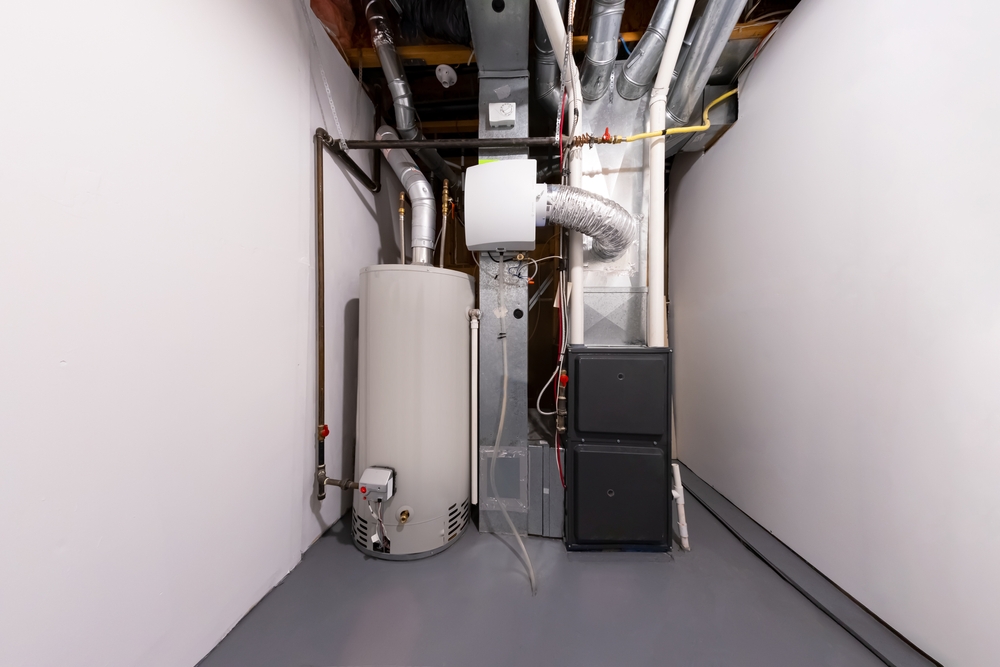
Choosing the right heating and cooling systems for your home can guarantee long-term comfort, lower energy bills, and less energy consumption. In recent years, Kentucky homeowners have found these benefits in one package: the dual fuel heating system.
A dual fuel heating system pairs a heat pump with a gas furnace. As seasons and temperatures shift, the system switches between fuel sources, saving you money while providing proper heating or cooling.
In the following sections, we will dissect the dual fuel heating system, exploring its benefits, components, costs, and useful considerations.
At Fayette Heating & Air, we specialize in helping homeowners choose the right HVAC systems for their living spaces. We provide thorough evaluations, special promotions, and comprehensive heating/cooling services 24/7/365, so no matter your need, you have Fayette’s “Every Time” guarantee.
Every time you contact Fayette, you receive award-winning service and repairs, so give us a call at
859-695-6670 or fill out an online contact form.
What Is a Dual Fuel Heating System?
When you mix a gas furnace and a heat pump, you get an ideal blend of comfort and efficiency—the dual fuel heating system.
Sometimes, a dual fuel heating system is called a dual fuel heat pump or dual fuel furnace. Regardless of what you call it, this system has two heating sources that alternate based on outdoor temperature. Essentially, your gas furnace is the backup, kicking in when the weather is too cold for a heat pump to efficiently heat your home.
Dual fuel systems switch between modes automatically, so no extra work is needed on your end.
How Does a Dual Fuel System Work?
A dual fuel system provides hybrid heating and cooling, and is rather smart about it. Dual fuel heating systems use a thermostat to measure outdoor temperatures, adapting to use the most efficient heating method.
In mild to cool temperatures, the heat pump heats your home. In cold to freezing temperatures, the gas furnace heats your home. These switches are designed to maximize efficiency, creating a more comfortable environment and lowering energy costs.
Benefits of Dual-Fuel Systems
Dual fuel heating systems have numerous advantages, especially in climates with unpredictable winter temperatures. Let’s look at a few:
- Energy Efficiency: Dual fuel heating systems optimize energy use by switching between sources.
- Cost Savings: Higher energy efficiency leads to lower energy bills.
- Environmental Impact: Since these systems default to the electric heat pump in mild weather, less fuel is burned.
- Enhanced Comfort: Dual fuel heating systems are highly versatile, always shifting to create a balanced and comfortable environment.
Dual Fuel vs. Traditional Heating Systems
Dual fuel systems have multiple advantages over traditional heating systems, like natural gas furnaces or electric heat pumps, but it is important to see exactly where they differ. Let’s look at the pros and cons of each.
Dual Fuel Systems
Pros: High energy efficiency, easy adaptation to changing temperatures, long-term cost savings, high performance during harsh weather.
Cons: Complex maintenance requirements, less relevance in extreme environments.
Traditional Heating Systems
Pros: Proven longevity, simplicity of maintenance, high performance in specific situations.
Cons: Low adaptability, higher energy use, higher energy bills.
Dual Fuel System vs Conventional Gas Furnace in Kentucky: Pros and Cons
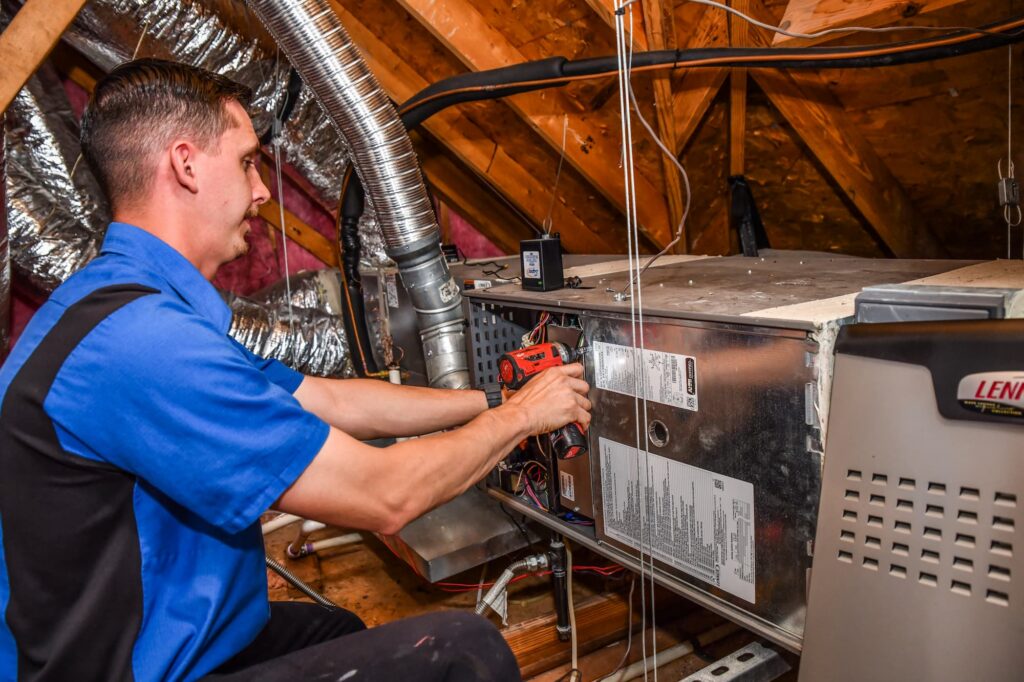
When comparing a dual fuel heating system to a traditional gas furnace in Kentucky, the key difference comes down to flexibility and efficiency. A dual fuel system pairs an electric heat pump with a gas furnace, intelligently alternating between fuel sources based on outdoor temperature. This allows homeowners in Lexington, Bowling Green, and Elsmere to balance comfort, energy efficiency, and heating performance throughout the season.
Pros of a Dual Fuel Heating System
- Higher energy efficiency: A dual fuel heating system uses a heat pump during milder weather and switches to a gas furnace when more heat is needed, improving overall efficiency.
- Lower heating costs over time: By relying on electric heat when temperatures are moderate, dual fuel systems reduce dependence on natural gas and can lower monthly heating expenses.
- Improved comfort: Heat pumps provide steady, even heating, while the gas furnace delivers stronger heat during colder Kentucky winters, maintaining consistent indoor temperature.
- Flexible fuel source: Dual-fuel systems combine two types of heating technology, allowing your HVAC system to adapt to changing conditions.
- Optimized performance: Intelligently alternating between systems helps reduce wear on your equipment and extend the life of your heating system.
Cons of a Dual Fuel Heating System
- Higher upfront installation cost: A dual fuel system requires both a heat pump and gas furnace, increasing initial HVAC installation investment.
- More complex system design: Dual fuel heating systems involve more components, which may require specialized service and maintenance.
- Maintenance needs: Because there are two systems working together, routine heating and plumbing maintenance services are important to keep everything operating efficiently.
Pros of a Conventional Gas Furnace
- Reliable heat output: A gas furnace delivers strong, consistent heat, even during the coldest Kentucky temperatures.
- Lower initial cost: Compared to dual fuel systems, a standard gas furnace is typically more affordable to install.
- Simpler HVAC system: With fewer components, gas furnaces are easier to maintain and repair.
Cons of a Conventional Gas Furnace
- Lower energy efficiency in mild weather: Gas furnaces use fuel heat at all times, even when a heat pump would be more efficient.
- Higher long-term heating costs: Relying solely on natural gas can lead to higher utility bills compared to a dual fuel heating system.
- Less temperature flexibility: Gas furnaces cycle on and off at full capacity, which can lead to uneven heating and reduced comfort.
For many Kentucky homeowners, a dual fuel heating system offers the best balance of efficiency, comfort, and performance. However, a gas furnace remains a dependable option for consistent heat. Fayette Heating and Air can help you compare dual fuel systems and traditional heating systems to determine the best solution for your home, ensuring optimal efficiency and long-term comfort.
Dual Fuel Heat Pump vs Geothermal for Kentucky Homes: Pros and Cons
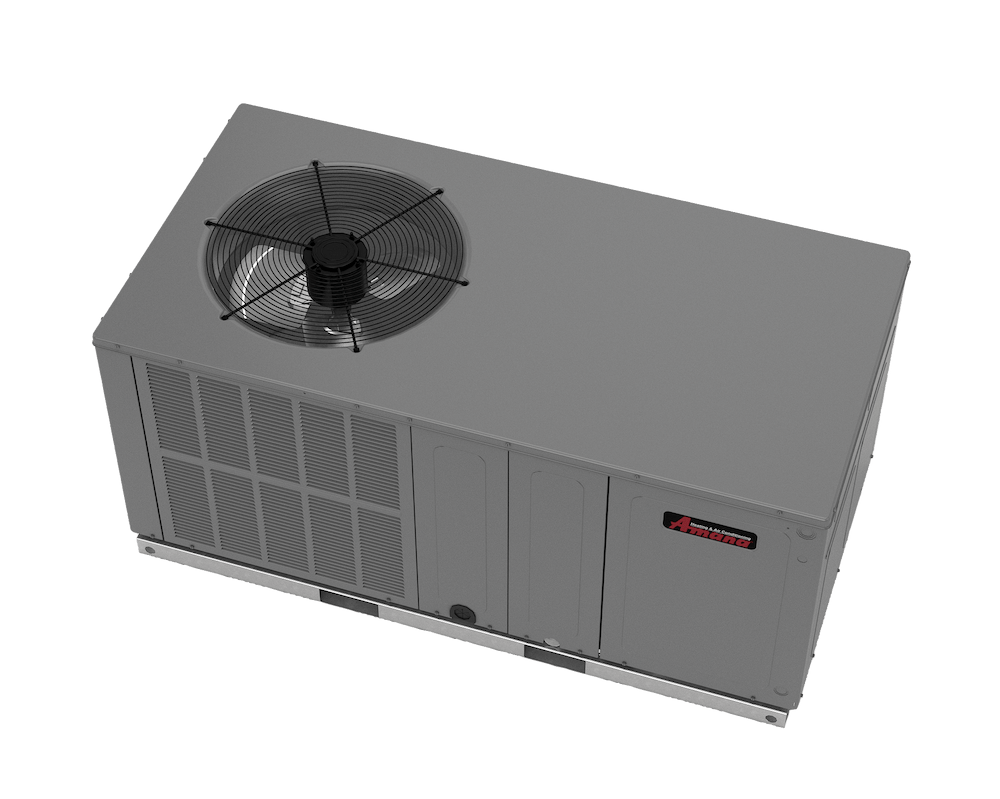
When comparing a dual fuel heating system to a geothermal heating system in Kentucky, the decision comes down to installation cost, energy efficiency, and long-term performance. A dual fuel system pairs an electric heat pump with a gas furnace, while geothermal uses underground energy to provide consistent heating. Both systems offer advanced heating technology, but each has unique advantages depending on your home and budget.
Pros of a Dual-Fuel Heating System
- Flexible heating performance: A dual fuel heating system uses a heat pump in mild weather and switches to a gas furnace when temperatures drop, maintaining reliable heat.
- Lower upfront cost than geothermal: Compared to geothermal installation, dual fuel systems are more affordable for most homeowners in Lexington, Bowling Green, and Elsmere.
- Improved energy efficiency: By intelligently alternating between electric heat and gas heat, the system reduces energy waste and improves HVAC efficiency.
- Compatible with existing HVAC setups: Many homes can upgrade to a dual fuel system without major changes to ductwork or infrastructure.
Cons of a Dual-Fuel Heating System
- Relies on fossil fuel: The gas furnace still uses natural gas, which may lead to higher long-term heating costs compared to geothermal.
- Moderate efficiency gains: While more efficient than a standard gas furnace, it does not match the peak efficiency of geothermal systems.
- Ongoing maintenance: Dual fuel systems require maintenance for both the heat pump and furnace components.
Pros of a Geothermal Heating System
- Maximum energy efficiency: Geothermal systems use stable underground temperatures to provide highly efficient heating and cooling.
- Lower long-term operating costs: Reduced reliance on fuel heat leads to significant energy savings over time.
- Environmentally friendly: Geothermal systems use renewable energy, reducing emissions and improving sustainability.
- Consistent comfort: Provides steady heating without temperature swings, improving indoor comfort.
Cons of a Geothermal Heating System
- High upfront installation cost: Installing geothermal requires excavation and specialized equipment, making it more expensive initially.
- Installation limitations: Not all properties in Kentucky are suitable due to space, soil conditions, or lot size.
- Longer installation timeline: Geothermal projects take more time compared to standard HVAC installation.
For Kentucky homeowners, a dual fuel heating system offers a balance of efficiency, affordability, and performance, while geothermal provides unmatched efficiency for those willing to invest upfront. Fayette Heating and Air can help you evaluate both options, ensuring your heating system is designed for optimal comfort, efficiency, and long-term value.
Is a Dual Fuel Heating System Right for Your Home?
In regions with mild winters and occasional extreme cold, like Kentucky, a dual fuel heating system is likely a great fit for your home. The adaptability and efficiency of these systems make for comfortable environments and lower long-term costs. Also, if you have sensitive skin that chaps around extreme furnace heat, the less intense heat of a dual fuel system’s heat pump may be a nice bonus.
With a dual fuel heating system, you don’t have to adjust your thermostat to have a cozy home. The system’s automatic temperature sensing will create a perfect indoor environment year-round, so you won’t be saying, “It’s too hot in here” or “I’m freezing” much longer.
But if you live in an area facing extreme heat or extreme cold for much of the year, a traditional heating or cooling system may be a better option. A dual fuel heating system is optimal for regular temperature shifts, so if your home does not experience those, its additional functionality may go to waste.
Dual-Fuel Heat Installation and Cost Considerations
Since a dual fuel system provides hybrid heating and cooling, it has a different installation process than a furnace, AC unit, or heat pump. Installation likely requires electricians, plumbers, and HVAC experts to properly do the job.
Both components of your dual fuel heating system must be the right size for your home, and their heating loads must be properly calculated. An air handler may also need to be installed. If something goes wrong during this process, it can result in inefficiencies and high costs at your expense.
This is why it is important to hire trustworthy HVAC professionals, like the experts at Fayette Heating & Air. At Fayette, we provide comprehensive heating installation, replacement, and repair services, and we can ensure that your dual fuel heating system is properly installed and maintained.
With our expert service, you can save thousands of dollars on energy costs in the future. You can also be eligible for economic incentives and tax breaks for investing in an energy-efficient HVAC system.
Maintenance Tips for Dual Fuel Systems
As with any heating or cooling appliance, it’s important to schedule regular maintenance for your dual fuel heating system. Regular maintenance will keep your system running for years without interruption, and its efficiency will remain at a high level. High efficiency means lower energy bills, so taking care of your system equates to taking care of your wallet.
Modern hybrid heating and cooling systems are rather smart, so most will alert you of any issues that need attention. Loud clicking noises or constant cycling also indicate that your system needs a check-up.
Call Fayette Heating & Air For Your Dual Fuel Heating System Needs
If you think a dual fuel heating system is right for your home, call Fayette Heating & Air today. A properly installed system will bring long-term savings, unmatched comfort, and significant environmental benefits, so trust Central Kentucky’s heating experts at Fayette to get the job done every time.
Consult a Fayette heating professional to see if a dual fuel system is right for your home today. You can give us a call at 859-695-6893 or fill out an online contact form to ensure that you receive the “Every Time” guarantee.
FAQs about Dual Fuel Heating Systems
What size dual-fuel system for a 2000 sq ft home?
For a 2,000 sq ft home in Kentucky, a dual fuel heating system is typically sized between 2.5 to 4 tons, depending on insulation, layout, and how well your home retains heat. The right size heat pump and gas furnace combination ensures proper heating efficiency and comfort. Homes in Lexington, Bowling Green, and Elsmere may need different sizing based on temperature swings. A professional load calculation from Fayette Heating and Air ensures your dual fuel system is properly matched to your home.
Learn more about energy-efficient home heating systems here: https://www.energy.gov/energysaver/home-heating-systems
Do I have a dual fuel heating system?
You likely have a dual fuel heating system if your HVAC setup includes both an electric heat pump and a gas furnace working together. These systems switch between electric heat and gas heat depending on outdoor temperature. Many Kentucky homeowners are unsure because the system operates automatically. If your heating system uses both a heat pump and a gas furnace, you have dual fuel. Fayette Heating and Air can inspect your system and confirm how your heating equipment is configured.
What are some of the best dual fuel system brands for energy efficiency?
Some of the best dual fuel system brands for energy efficiency include Lennox, Carrier, and Trane. These systems pair high-efficiency heat pumps with advanced gas furnace technology to maximize performance. Many Kentucky homeowners choose brands like Lennox dual-fuel systems for their strong efficiency ratings and reliability. The best option depends on your home’s size, heating needs, and budget. Fayette Heating and Air can recommend and install a dual fuel heating system designed for optimal efficiency and long-term comfort.