

 Skip to content

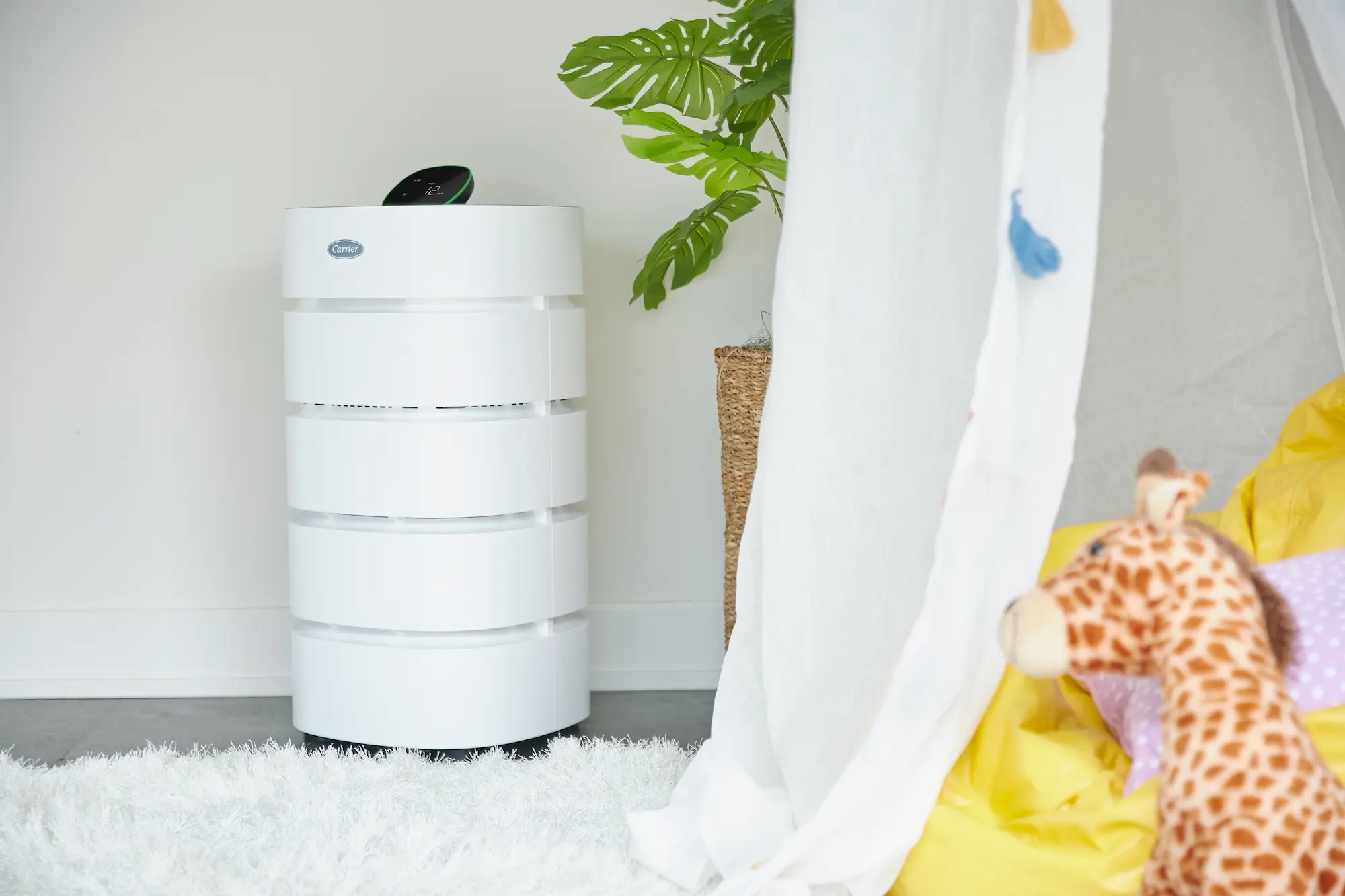
Allergy problems in Kentucky homes come from multiple sources. Pollen gets the blame, but it’s rarely just pollen. Dust moves through the house. Pet dander settles, then gets stirred back up. Humidity makes things worse. Once those irritants are inside the HVAC system, they don’t stay in one room.
Whole house air purifier installation comes up when homeowners realize that spot cleaning and portable units aren’t changing much. The air still circulates the same way. Symptoms still show up. Treating the air at the system level is usually the missing step.
A whole house air purifier installs directly into the HVAC system. Air is treated before it’s distributed through the house, not after it reaches individual rooms. That means the same filtered air moves through bedrooms, living spaces, and hallways every time the system runs.
For allergy sufferers, this matters. If irritants stay in the ductwork and air handler, they keep coming back no matter how often surfaces are cleaned. Whole house systems reduce that constant recirculation, and air duct cleaning services can help remove some of the contaminants
What Is a Whole House Air Purifier and How Does It Work?
A whole house air purifier works inside the heating and cooling system. As air moves through the equipment, it passes through the purifier before being sent back into the home.
There’s nothing to turn on and nothing to move from room to room. When the HVAC system runs, the purifier runs. That’s the entire idea. Fewer airborne particles moving through the house without adding more devices to manage.
Types of Whole House Air Purifiers for Clean Air
Whole house air purifiers are built to solve different problems. Some focus on capturing particles like dust and pollen. Others are meant to control biological growth inside the system, such as mold or bacteria. In many homes, the issues overlap and are not covered by conventional air filters.
Media-style filtration systems are commonly used when particle control is the priority. They trap dust, debris, and finer material as air passes through. Electronic systems use a different approach, pulling smaller particles out of the airflow through charged surfaces. UV systems don’t trap particles at all. They’re used to limit biological growth inside the HVAC system itself.
In homes where air quality problems aren’t limited to one issue, combination systems are often used. The right choice depends on what’s circulating through the house, not on what sounds most advanced.
Benefits of Air Purifier Installation
Installation matters because airflow matters. A purifier that isn’t sized or placed correctly won’t perform the way it should. Poor installation can also restrict airflow, which creates new problems instead of fixing existing ones.
Professional air purifier installation ensures the system works with the HVAC equipment instead of against it. The goal is cleaner air without sacrificing system performance.
Whole House Air Purifier for Seasonal Allergies: A Year-Round Solution
Seasonal allergies don’t stop cleanly when outdoor counts drop. Pollen settles into soft surfaces. Dust holds onto it. Humidity allows biological growth to linger.
A whole house air purifier continues reducing airborne irritants as the system runs, even outside peak allergy season. That’s why some homeowners notice improvement gradually, not immediately.
Best Air Purifier Options for Allergies and Asthma Sufferers
There isn’t one setup that works for every house. The right system depends on what triggers symptoms.
Homes dealing with asthma often need stronger control of fine particles. Homes with humidity issues tend to benefit from systems that address biological growth. Homes with pets usually see a mix of both concerns.
Matching the system to the actual conditions inside the home is what makes the difference. Overshooting the problem doesn’t help. Missing it entirely doesn’t help either.
Whole-House Air Purifier vs. Portable: Which Is Better?
Portable units treat the air where they sit. That’s useful in a single room, but it doesn’t change what’s moving through the rest of the house.
Whole-house systems treat air at the source. Every room gets the same filtered air whenever the HVAC system runs. There’s less maintenance, fewer devices to manage, and more consistent results.
Why Indoor Air Quality Matters in Kentucky
Kentucky homes deal with a mix of seasonal allergens, humidity, and older construction. Air moves easily through gaps, ductwork, and attics. If that air isn’t treated, it continues cycling.
Indoor air quality problems often show up as lingering symptoms instead of obvious signs. Headaches. Congestion. Irritation that never fully clears.
7 Ways to Reduce Seasonal Allergies In Your Home
It’s no secret that Central Kentucky is saturated with allergens. From pollen to ragweed, fall and spring can be miserable times for residents who suffer from allergies. You can help reduce your seasonal allergies with these tips for improving your indoor air quality.
1. Change and Upgrade Your Filter
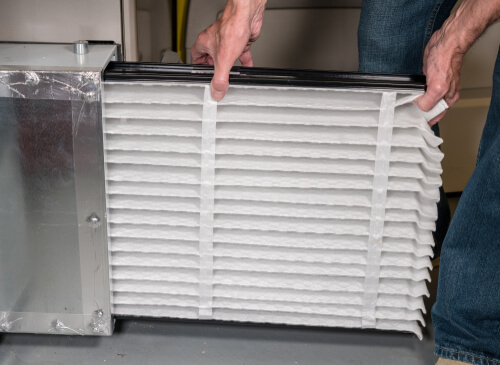
Your home’s air filter is one of the most critical pieces to achieving proper indoor air quality. To maintain a comfortable climate inside of your home, your system is constantly circulating and filtering air. In fact, every day, over one million cubic feet of air is moved through your system.
With this air comes an inevitable amount of dust, dirt, debris, and other allergens, which your filter can catch before they enter your home. A clean filter not only helps your system run efficiently and smoothly but also provides you with cleaner, healthier air.
To help your filter perform as efficiently as possible, remember to change it regularly. With any standard fiberglass filter, you should be changing your filter at least every 30 days. With a higher efficiency filter, however, you can change your filter less regularly.
In fact, some electronic air purifiers can remove up to 100 times more allergens from your home’s air than a standard fiberglass filter. Air filters vary greatly with different options for forms, materials, thickness, and other features, so be sure to ask your technician which filter is right for your system.
2. Perform Seasonal Cleaning
As you make your spring or fall cleaning to-do list, don’t forget to add your heating and cooling system as a top priority. Similar to the rest of your home, your HVAC system needs to be cleaned regularly. Once you have cleaned and changed your filter, open your vents fully and clean or remove any excess dust or dirt that has built up.
For an even better clean, schedule professional duct cleaning for your system. The ductwork for your system is an easy area for pollen, hair, pet dander, dust, dirt, and other contaminants to get trapped. While you do not need to have professional duct cleaning performed every year, it can significantly improve your indoor air quality by removing any contaminants that have inevitably built up in your home’s ducts.
3. Take Off Outdoor Clothing
Ditch the jackets, shoes, scarves, and hats at the front door to limit the spread of allergens in your home. It might even be beneficial to keep a dirty hamper by the door to ensure that your allergen-saturated clothes aren’t contaminating other components of your household.
Stopping outdoor allergens at the front door is an essential step in allergy-proofing and improving indoor air quality in your home.
4. Wash Away the Allergens
It’s common practice to jump straight into the shower after spending time outside. Most individuals’ reasoning is due to sweat and smell. However, this is also helpful for washing off allergens stuck to the body. Eyelashes, especially, tend to catch a lot of pollen—hence why eyes are always itchy during allergy season.
Additionally, wash sheets, pillowcases, and blankets in hot water (at least 130 degrees Fahrenheit) weekly to remove dust mites and pollen when allergens are at an all-time high.
5. Bathe Pets Regularly
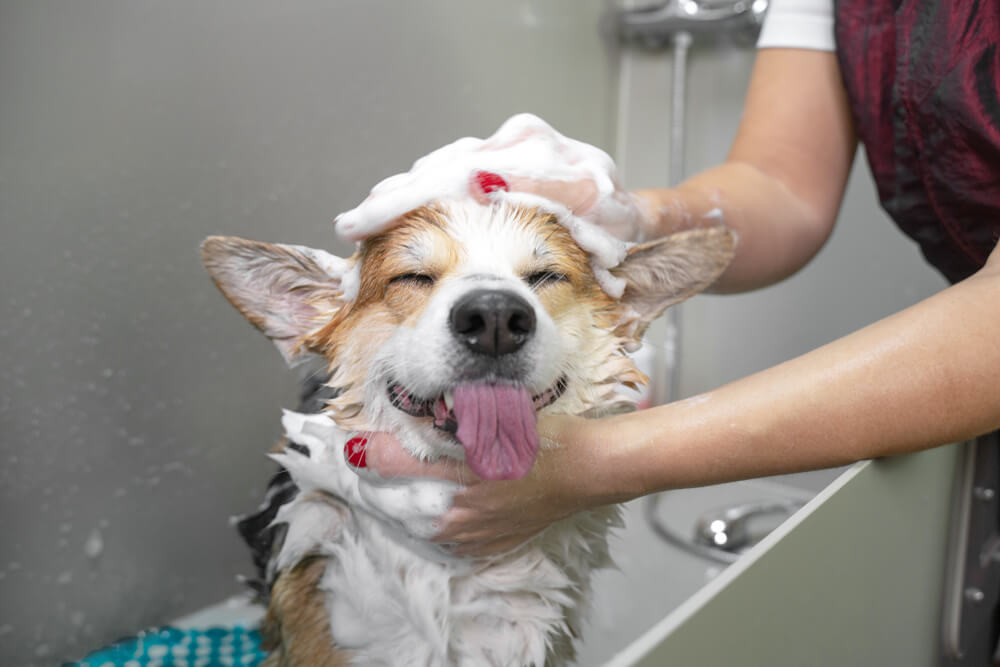
Bathing pets helps to remove dander (tiny flecks of skin shed by animals) from their fur. Dander is a common allergen that can trigger allergic reactions in sensitive individuals. By regularly bathing pets, you can decrease the amount of dander they shed into your home.
Dander isn’t the only allergen that your pet can release from their fur. Pollen, mold spores, and dust are just a few other allergens that a pet can pick up and carry on their fur. So, if your pet has spent a while outside or in a dusty environment, it’s ideal to bathe them before letting them run around in the home.
6. Consider Additional Indoor Air Quality Products
There are plenty of products that work directly with your heating and cooling system to reduce allergens. Ultraviolet germicidal lamps are a very popular option for families who are serious about controlling the contaminants in their air.
These high-intensity “H” lamps can neutralize airborne pathogens and guard against viruses, bacteria, and especially pollen. These lamps are only one example of products that can help upgrade your system. Be sure to talk to your technician about other options they may offer during your system check.
7. Schedule an HVAC System Tune-up and Safety Inspection
Your system works the hardest in the summer and winter, so spring and fall are ideal times to have it thoroughly checked. With a professional system check, you can also make sure that your system is providing the highest level of indoor air quality possible.
During a professional system check, your technician will thoroughly inspect the air ducts, filters, and registers, and recommend any additional steps or products that could help with your specific indoor air quality needs.
For more information on reducing your seasonal allergies or scheduling a system check and safety inspection, be sure to contact Fayette Heating & Air online or call us at 859-549-5753.
Schedule Your Whole House Air Purifier Installation With Fayette Heating and Air
Whole house air purifier installation focuses on what moves through the system, not just what settles on surfaces. Fayette Heating and Air installs systems designed to work with existing HVAC equipment and the conditions inside your home.
In addition to whole-house air purifiers, we offer a complete range of Indoor Air Quality Services to support cleaner, healthier air throughout your home, including:
- Air Duct Cleaning Services to remove dust and debris from ductwork
- Air Filter Services to improve airflow and filtration efficiency
- Air Filtration Systems for whole-home air quality improvement
- Radon Services to help reduce radon exposure
- Air Purifier Services for installation, replacement, and maintenance
- Dehumidifier Services to manage excess moisture
- Humidifier Installation Services for balanced indoor humidity
- Air Duct Repair in Lexington to restore proper airflow
- HVAC Sanitizing to reduce bacteria and odors within the system
Schedule online or call (859) 203-4602 to talk through whole house air purifier installation in Lexington, KY.
Frequently Asked Questions
Is professional installation of an air purifier worth it for seasonal allergies?
Yes. Central and eastern Kentucky regularly experience high pollen levels, especially from tree pollen in spring and grass pollen through late summer. In areas like Lexington, Elsmere, and Bowling Green, fluctuating humidity and frequent weather shifts can keep allergens circulating indoors longer. Professional installation of a whole-house air purifier ensures your HVAC system treats air throughout the entire home, helping reduce pollen, dust, and other airborne irritants that commonly affect indoor air quality in this region.
Can I install a whole home air purifier myself?
While some homeowners consider DIY options, most whole-house and whole-house air purifiers that can be installed independently still require proper integration with the HVAC system to be effective. In Kentucky homes—where heating and cooling systems often run year-round due to seasonal swings—professional air purifier installation helps ensure correct airflow, safe electrical connections, and consistent air purification. Proper installation also prevents airflow restrictions that could impact system performance.
What’s the best air purifier for allergies and asthma?
For Kentucky households dealing with seasonal allergies or asthma, the most effective solution is typically a whole-house air purifier that combines high-efficiency particle filtration with activated carbon. These whole-house systems help capture pollen, dust, and other allergens while also reducing odors that can worsen respiratory symptoms. When professionally installed within your HVAC equipment, these units support healthier air, improved air quality, and more consistent comfort throughout the home, even during peak allergy seasons.
Schedule online or call (859) 203-4602