

 Skip to content


Maintaining your plumbing system in the fall is essential to prevent issues as temperatures drop. While it may seem like winter is far off, fall is the best time to knock out your winter preparation to-do list. To help prepare you for the colder months, we have ten fall plumbing tips to get your home and plumbing system prepped and ready for winter.
Key Takeaways about Fall Plumbing Maintenance
- Fall plumbing maintenance helps Kentucky homeowners prevent frozen pipes, water damage, and emergency repairs before colder temperatures arrive.
- Disconnecting outdoor hoses, checking shut-off valves, and inspecting exposed pipes can help protect plumbing systems during seasonal temperature swings.
- Routine drain cleaning and leak inspections help reduce the risk of backups and hidden water damage during the fall and winter months.
- Water heater maintenance in the fall can improve efficiency and help ensure reliable hot water throughout colder weather.
- Scheduling professional plumbing inspections before winter helps identify small problems early and improves long-term system reliability.
1. Clean the Gutters
Though gutters are technically not a part of your plumbing system, they are responsible for keeping water out of your home and landscape. A blockage in your gutters can cause water to pool on the roof, which can eventually damage the roof and structure of your home. To avoid water damage, it’s ideal to clean your gutters twice a year—once in the spring and fall. For homes containing trees in their yard, consider a more regular gutter cleaning.
To efficiently clean your gutters, clear leaves and debris from the gutter and downspouts to prevent clogging. Once the bulk of the debris is removed, flush the remaining debris and dirt using a garden hose or pressure washer. After the gutters are cleaned, ensure that the downspout is draining efficiently by spraying down the spout and checking for efficient drainage.
2. Disconnect Outdoor Water Hoses
Another essential home plumbing maintenance tip is to always check to ensure that outdoor water hoses are disconnected and drained. If your water hoses are left connected during colder temperatures, water inside the hoses can freeze and expand.
This expansion can cause faucets and any connected pipes inside your home to freeze and break. To help prevent this, simply disconnect your water hoses, drain them of any remaining water, and store the hoses in a dry area before cold temperatures set in.
3. Check Outdoor Faucets
After you remove the hose, check the faucet for any leaks or drips. If any of your outdoor faucets leak or drip, fall is the time to fix them. A leaking faucet can lead to water damage and severe plumbing issues during a freeze. Once your outdoor faucets are fully fixed, cover and insulate the faucets with a styrofoam insulation kit to prevent freezing.
If your spigot isn’t drained, frozen outdoor pipes often lead to a burst, which can cause water damage to your home’s exterior, foundation, and landscaping. By checking and properly winterizing outdoor faucets, you can prevent potential water leaks and damage to your home.
4. Close the Outdoor Faucet Shut-Off Valve
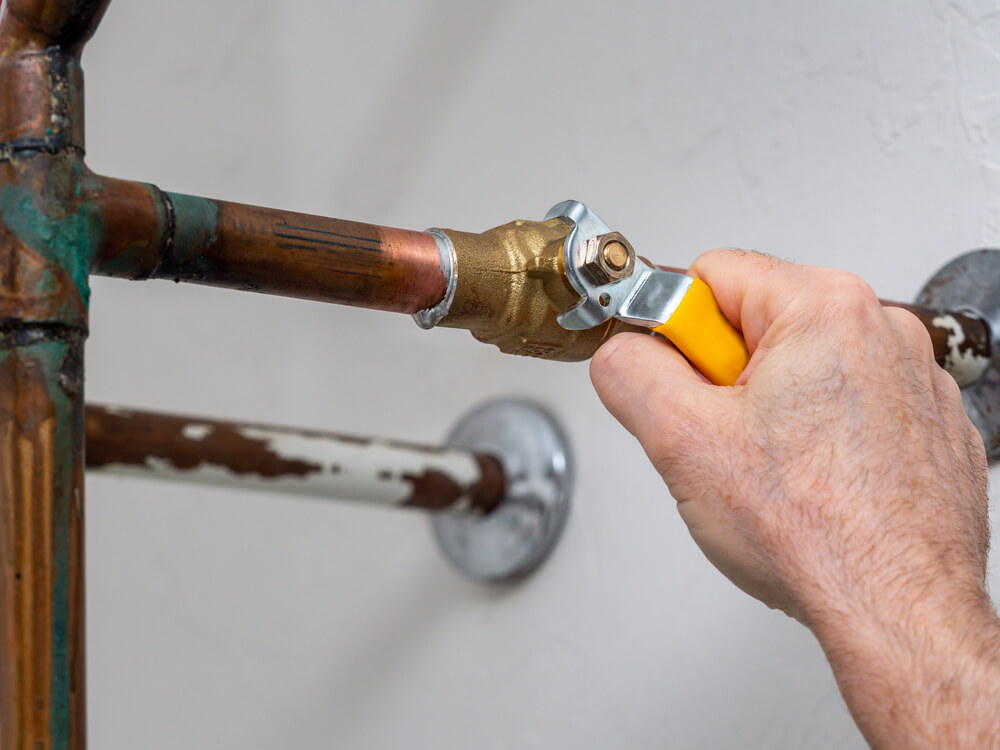
Many outdoor faucets have a shut-off valve around ten feet deep in your home, typically in a basement or crawl space. This valve lets you shut off the water to your outdoor spigot and then drain out the water in that ten-foot section of piping.
The water in the inner part of your home should stay warm enough to prevent freezing, and the outer ten-foot section of the pipe shouldn’t have enough water inside to expand and crack the pipe.
Adding this step to your plumbing maintenance checklist for fall is essential to prevent freezing. By shutting off the water supply and draining the remaining water from pipes, you can protect outdoor plumbing fixtures from damage, such as freezing and bursting.
5. Insulate Pipes
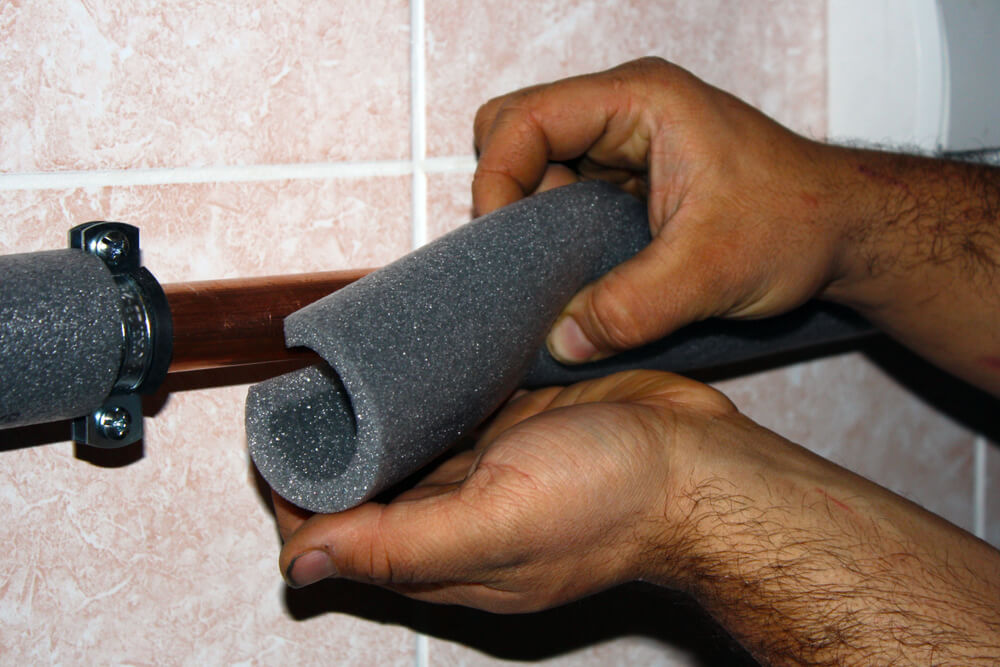
Insulating pipes in preparation for winter is a proactive measure that helps to protect your home, prevent water damage, and maintain the efficiency and functionality of your plumbing system, especially during cold weather. If any of your pipes are housed in non-heated areas, such as a crawl space or a garage, it is crucial to ensure these pipes are insulated.
This protection will help keep your pipes from freezing during the winter. A frozen pipe will burst eventually, leading to costly repairs and water damage. It’s essential to add this step to your fall plumbing checklist to prevent pipes from freezing.
6. Seal Gaps
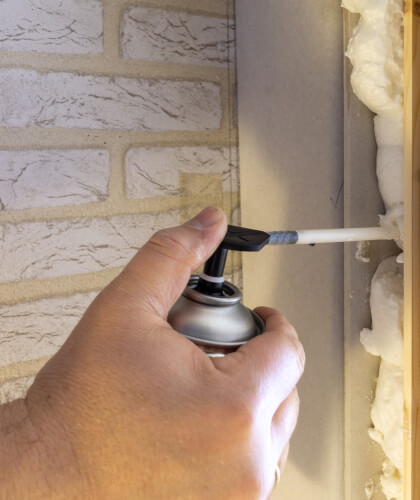
In areas where pipes enter your home, it is common for gaps between the walls and the pipes to develop over time. These gaps allow for cold air penetration, which could have a severe impact on your utility bill and even cause pipes to freeze.
Take some time reviewing where pipes enter your home and seal the gaps with weather stripping, caulking, and insulation.
7. Insulate Sump Pump
If your sump pump is exposed to extreme temperatures, it may freeze and be unable to operate efficiently. Inspect your sump pump before winter to make sure it is properly insulated and clean.
Selecting the insulation material for the pump is your first step. Common options include foam insulation, fiberglass insulation, or insulated pipe wrap. Next, measure and cut the insulation material to fit the dimensions of your pump. You can securely fasten the material to the pump using tape or zip ties. Lastly, don’t forget to insulate the discharge pipe connected to the pump as well.
8. Flush the Water Heater
As we move into winter, your water heater will be working much harder to provide the same level of hot water. To help your water heater run as efficiently as possible, have the tank completely flushed. By flushing the water heater, you are removing sediment buildup, which blocks proper heat transfer.
9. Inspect Sewer Lines
Have a professional plumber inspect your sewer lines for any signs of blockages or damage. Fall is a good time to address any issues before they potentially worsen during the winter months. A professional inspection can identify any areas of concern, such as exposed pipes or inadequate insulation, that could lead to freezing and subsequent pipe damage. Ensure that this step is on your plumbing maintenance list.
10. Check for Leaks
Inspect plumbing fixtures, pipes, and connections for any signs of leaks or drips. Addressing leaks promptly can prevent water damage and conserve water. Additionally, leaks can lead to moisture buildup in your home’s walls, ceilings, or crawl spaces.
In colder climates, this moisture can freeze during winter, potentially causing pipes to freeze and burst. By fixing leaks before winter, you can reduce the risk of freezing pipes and the associated water damage and inconvenience.
For assistance in preparing your home’s plumbing for winter, schedule online or call us at 859-361-7925. We’re here to help ensure your home and plumbing system are set to take on the harsh temperatures of winter.
Indoor Water-Saving Tips
1. Fix Leaks Promptly
One of the most common reasons for high water bills is leaks in your plumbing system. Even small drips can add up over time. Regularly check for and repair leaks in faucets, pipes, and toilets. A dripping faucet can waste hundreds of gallons of water a year. If you ever see a spike in your water bill, immediately start checking your system for leaks.
2. Install Water-Efficient Fixtures
Consider replacing old, inefficient fixtures with water-saving alternatives. Low-flow toilets, aerated faucets, and high-efficiency showerheads can reduce water usage without sacrificing performance. Look for fixtures with the WaterSense label, indicating they meet EPA water efficiency standards.
3. Upgrade Your Appliances
Modern appliances, such as dishwashers and washing machines, often come with water-saving features. When it’s time to replace your old appliances, opt for energy-efficient models that use less water per cycle. Front-loading washing machines are known for their water efficiency.
4. Limit Shower Time
Shortening your shower time by just a few minutes can save a significant amount of water. Use a timer or play your favorite song to help you keep track. Additionally, consider installing a low-flow showerhead, which can reduce water usage without sacrificing water pressure.
5. Turn Off the Faucet While Brushing & Shaving
Turning off the tap while brushing your teeth can save eight gallons of water per day and, while shaving, can save ten gallons of water per shave. Assuming you brush your teeth twice daily and shave five times per week, you could save nearly 5,700 gallons per year. Simply turn on your faucet only when you need it, then shut off immediately.
6. Fix Running Toilets
A running toilet can waste hundreds of gallons of water per day. Check for running toilets regularly and repair them promptly. Usually, it’s a faulty flapper or valve that needs replacement.
7. Scrape Dishes Instead of Pre-Rinsing
If you have a dishwasher, use it! Letting your faucet run for five minutes while washing dishes can waste ten gallons of water and use enough energy to power a 60-watt light bulb for 18 hours.
When loading your dishwasher, scrape off the big food scraps into the garbage instead of pre-rinsing dishes. Modern dishwashers are designed to handle dirty dishes without the need for excessive water use. Ensure your dishwasher is fully loaded before running it to maximize efficiency.
8. Insulate Hot Water Pipes
Insulating hot water pipes can help reduce the time it takes for hot water to reach your faucets, which means less water is wasted while waiting for it to heat up. You can find inexpensive pipe insulation at your local hardware store.
9. Educate Your Household
Ensure everyone in your household is aware of the importance of water conservation. Encourage family members to adopt water-saving habits, such as turning off the tap while brushing teeth, fixing leaks, and using appliances efficiently.
Outdoor Water-Saving Tips
1. Use the Automatic Car Wash
While we salute your DIY attitude toward washing your own car, automatic car washes use significantly less water than you do washing your car at home. You could lower your water bill and save up to 100 gallons of water by letting the car wash handle the job.
2. Collect Rainwater
Set up rain barrels or a rainwater harvesting system to collect rainwater from your roof. You can use this water for outdoor irrigation, reducing the need to use tap water in your garden. This eco-friendly approach also reduces stormwater runoff.
3. Water Plants Wisely
When watering your lawn or garden, do it early in the morning or late in the evening to minimize evaporation. Use a soaker hose or drip irrigation system to target the roots and avoid wasteful runoff. Group plants with similar water needs together in your garden to optimize irrigation.
4. Implement a Watering Schedule
Create a watering schedule based on your climate and the needs of your plants. Overwatering can be as harmful as underwatering, so aim for the right balance. Use a rain gauge to measure how much rain your garden receives to adjust your watering schedule accordingly.
5. Install a Smart Irrigation System
Consider investing in a smart irrigation system that uses weather data to adjust watering schedules automatically. This ensures your plants receive the right amount of water at the right time. Smart systems can also be controlled remotely via smartphone apps.
6. Reuse Greywater
Greywater is gently used water from sinks, showers, and washing machines that can be reused for irrigation. Install a greywater system to recycle water within your home. Be sure to follow local regulations and guidelines when using greywater.
7. Plant Native or Water-Efficient Plants
Consider replacing part of your lawn with drought-resistant or native plants that require less water. Native plants have adapted to the environment and will need little additional watering as they rely on the typical weather patterns your area provides. Xeriscaping, a landscaping method that focuses on water conservation, can significantly reduce outdoor water usage.
8. Use a Pool Cover
If you have a swimming pool, use a pool cover to prevent water evaporation. A 33 by 18-foot pool can lose approximately 600 gallons of water a week to evaporation. A pool cover can reduce the need to top up your pool frequently. Additionally, ensure your pool is properly maintained to avoid water loss due to leaks.
Lowering your water bill doesn’t have to involve drastic lifestyle changes. By implementing these 17 water-saving tricks, you can make gradual improvements that will lead to long-term savings and a more eco-friendly home.
Do you need help installing water-efficient fixtures or need toilet repairs? Contact Fayette Heating & Air for expert plumbing services in Elsemere, Lexington, and Western Kentucky.